Dining Alone

I’m in New Mexico (!) which is probably my favorite place besides LA and Tucson. The National Association of College and University Chaplains (NACUC) Board meets once a year to plan for the upcoming school term, and this year we chose Albuquerque. I was elated. The desert is definitely my home spiritually. I took advantage of my downtime and drove in a day early to stay overnight in Santa Fe. The city is small but full of absolutely stunning colors and art everywhere you turn. In my experience, people quickly warm to you, offer hospitality and just generally want to know your story. I’ve been meeting folks from Texas, Arizona, and even Ohio.


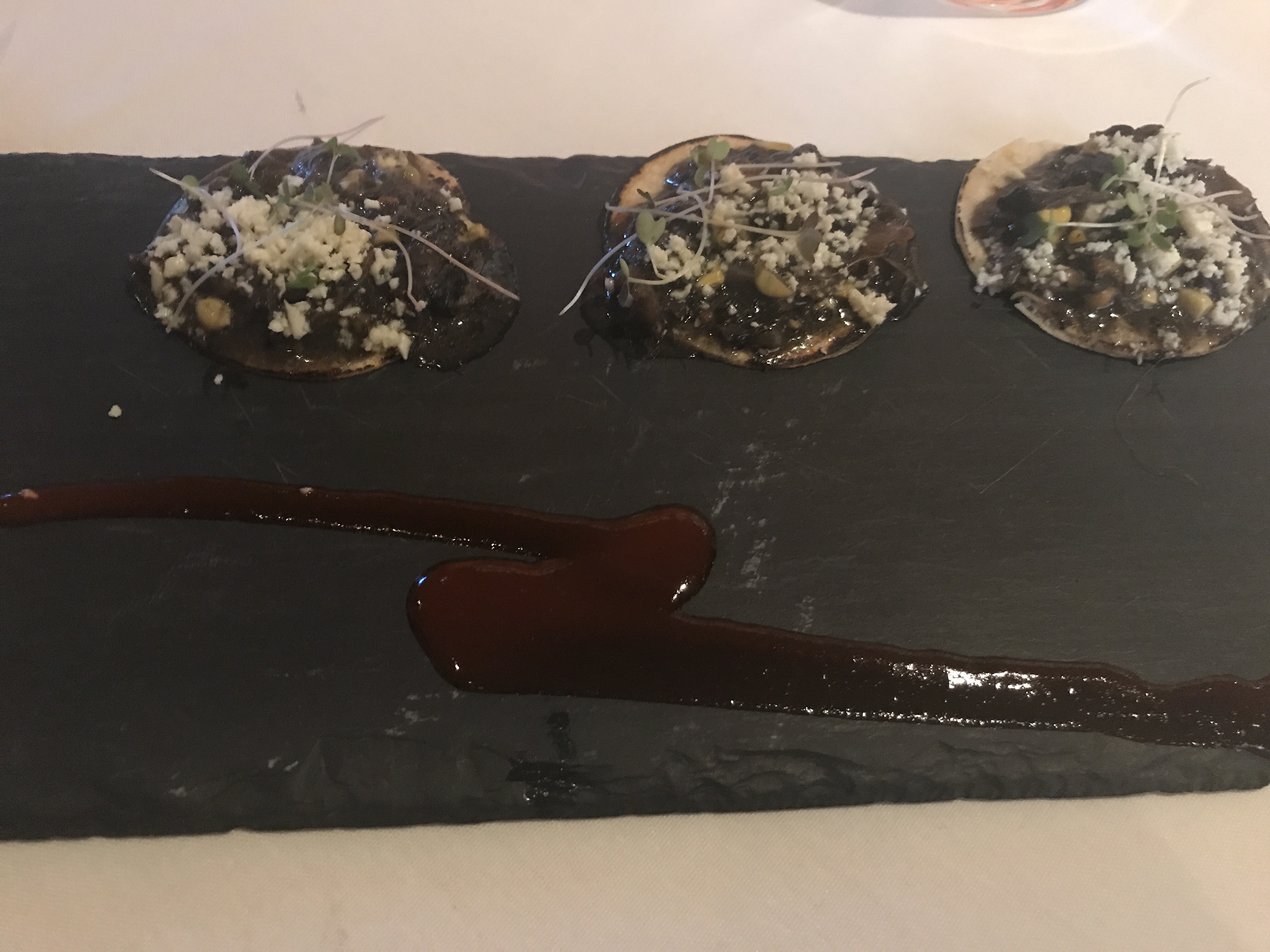
As a foodie, of course I did my research. Santa Fe boasts some of the best chefs in the world who specialize in Southwestern fare, which involves lots of corn and spices. My favorite dish is called Chile Rellenos, which is stuffed poblano peppers and fried in an egg batter. In New Mexico, it’s essential that you choose a side on the sauce front: red or green? Of course, if you really can’t decided, you can order “Christmas”, which means half of each. I certainly love both, but tend toward team green. I had been waiting for years to try a restaurant called Sazon, a romantic Mexican cafe with several moles. And since I came by myself, I made a reservation for one- just me.

To be truthful, I googled what dining alone is like. As an introvert, being by myself is energizing. However, the self-consciousness surfaced when I considered bringing a book or just my phone. In airports it seems quite normative to eat by yourself, but this restaurant is a popular date night spot. Several bloggers offered great advice- most importantly, do it! Don’t worry about what other people think. I worked up my courage and arrived right on time.


Despite the slight awkwardness of people watching while they gabbed with their dinner dates, dining alone was a learning experience and surprisingly, a communal one. Both servers and diners were more willing to talk to me. The couple to my left had come from North East Texas to take a short vacation after their daughter graduated from college. This was their first time at Sazon. The couple to my right, two women, wanted drinks stat. They drove in from Arizona for a bachelorette party. The server, Miguel, came from Mexico City to work at Sazon because of the chef’s renown. He demanded I try the special dessert, because it was that good.
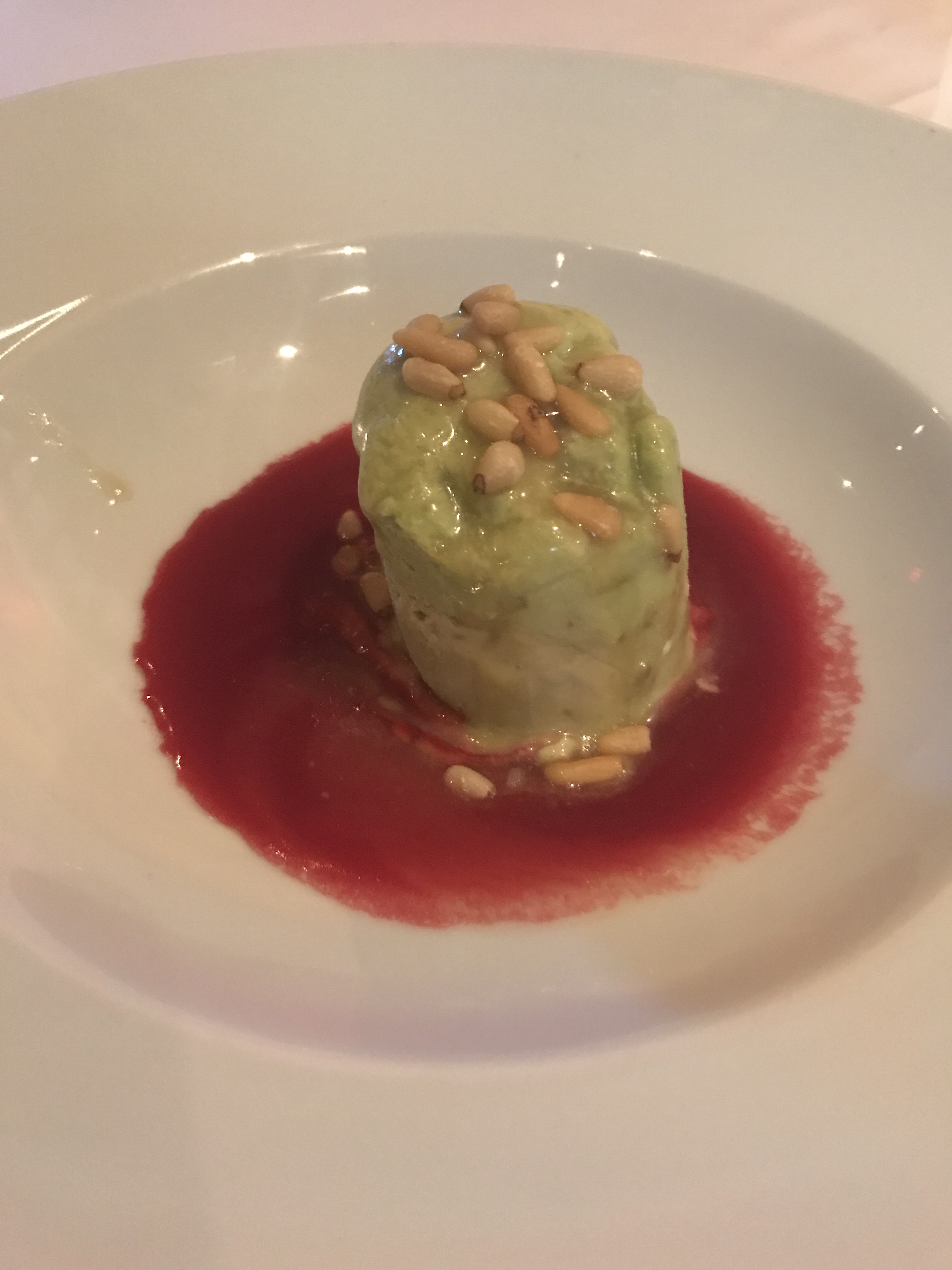

Of course, without distraction from a dining partner, I noticed more around me. Servers watched their tables like hawks so they could whisk dishes on and off the table to quickly move courses. The diners at the tables next to me talked to me at length- though on both sides, they began the conversation with “I’m sorry, this is so rude but…what did you order?” What surprised me the most was the silence at most tables for long lengths of time. A relaxed silence, the kind you know isn’t stemming from not having anything to say. It comes from feeling so comfortable with someone you don’t need to speak for hours at a time.

I’m grateful for the experience. Spending time alone in a public place made me aware of an important contrast we often don’t consider, the loneliness some feel even in large groups. Yet there is an importance to experiencing things without anyone else because we receive no influence to judge except our own thoughts. And for the record: that dessert was more than worth it. You’d never guess the ingredients.

Corpse Cactus

After running the Boston Marathon, I decided to give my body a break from running and try yoga. I’ve never been able to develop a sustained practice- yoga always seemed boring compared to dancing or even barre. But a few of my friends swear by it, and so I thought to reclaim some balance and flexibility after they went out the window from running so much, I tried a free week at Core Power. The heat combined with the challenge of rapid movement and strength conditioning found me wanting to come back each morning.

In class, time seems to pass quickly, we rarely spend more than a few breaths in one pose. Some classes are more challenging than others- I even felt sore from a few (those lunges and squats!). Of course there are people who have practiced for years and can stand on their head, or balance their body on their arms, or do a full split and sit on the floor, all poses to aspire toward. Even trying them in modification causes my heart to race. After going to class almost every day for a few weeks now, I realized that no matter how difficult these arm balances and flexibility challenges are, there is one pose that will always challenge me no matter how strong I get, and that is Savasana, or “corpse pose.”

Sometimes we start in corpse pose, just to bring our attention to our breath. At the end of every class, we end in this pose to seal in our practice. Many of my classmates joke that this is their favorite pose- you literally lie on the floor, taking up space, palms facing upward, everything relaxed. Not so challenging, right? Except that finding stillness after your body has just experienced intense movement is entirely difficult. While many struggle not to fall asleep, I struggle to stay still, feeling my heart still thumping. An object in motion stays in motion until something messes with it, if I recall from middle school science.

I’ve been keeping a small cactus plant outside in the backyard, one of the few physical remnants of life in Boston. Right now, the bulb is no larger than my thumb, and that progress has taken several months. Cacti are the ultimate savasana practitioners- they grow at a painstakingly slow pace, outlasting generations of human life as they slowly, slowly develop their spikes and fruit over time. They use very limited resources, just a touch of water every few weeks keeps them happy. I love cacti- they represent the desert, resilience, the ability to live even in desolation. To me, they also represent stillness.

larm-rmah-248970
PC: Larm Rmah

My family jokes that we have no ability to relax. Even when I read for long periods of time, my legs shift to different positions and my hands take turns holding the book. Stillness can be terrifying- when we face it, we are forced to be completely in the present without distraction of movement or change. But stillness is important, because as the cactus shows us, it helps us build resilience. The ability to pause, especially after the world moves rapidly and we throttle through it, is a practice in building strength of mind.


Visiting Scranton 

I am finally back in Los Angeles after the most epic road trip ever. Twelve days, seventeen states, and almost 4000 miles of skyscrapers and prairie dog towns, one lane highways and campgrounds. I feel as though the miles gave me hours to be alone with my thoughts- which can be an opportunity, and terrifying. 

I remember a sense of finality as we crossed the border into Connecticut from Massachusetts. My time in Boston was over. It’s a strange act to say goodbye to a place, especially with mixed emotions sunk deep into the foundation of your life there. The rain drops pelted the windshield all the way into New York and then on to Pennsylvania, where we would make our first stop.

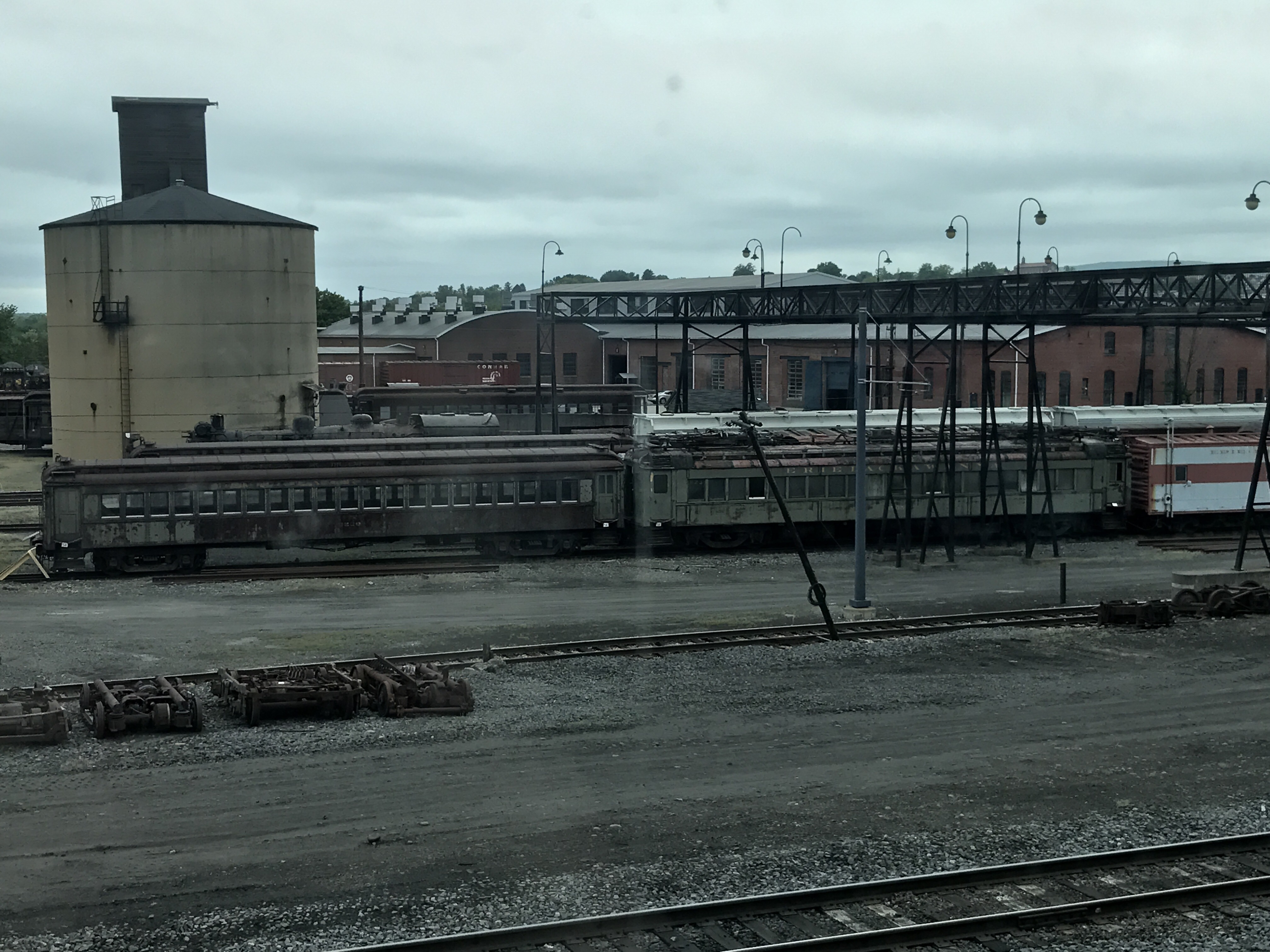
Jose and I have been fans of the show The Office for a long time. As long as the seasons are on Netflix, we return to it as one of the few sitcoms we both enjoy. So when we knew we would pass through Scranton, PA, the setting of the show, we planned our drive through the electric city. We spent the first few hours of our drive exchanging our favorite lines, most of which were uttered by the geeky, overbearing beet farmer character named Dwight. Anticipation built in my mind as I imagined the Steamtown Mall and what treasures it would hold. 


We exited the freeway onto a long raised road that eventually led to a narrow intersection. On the opposite corner, a rundown pizza parlor advertised $.99 slices. We turned left and drove down the road behind an empty trolley. Dirt caked every street sign, each of which looked bent and antique. When we arrived at the mall, the parking ticket booth had been abandoned, so we found the biggest parking space possible for the giant Tahoe, our road trip vehicle. 


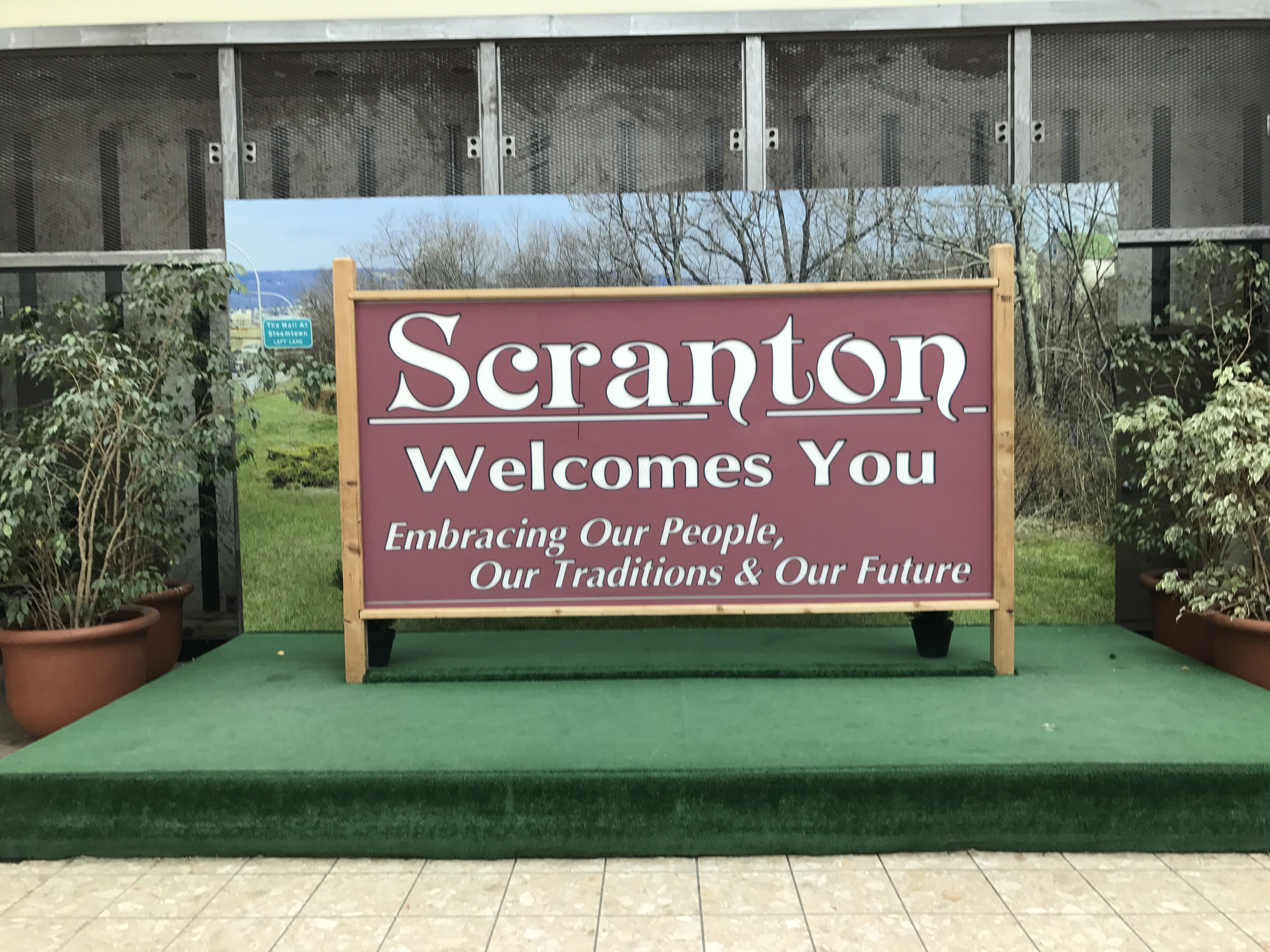
This was my first clue that Scranton was different than in the show. That could have been obvious, but I needed to see it to believe it. More than half the stores in the mall were vacant. After we found the one relic that acknowledged the show, a replica of the “Welcome to Scranton” sign that appears in the opening montage, we drove to a Walgreens on the other side of the city to replenish our water. More desertion- it wasn’t that Scranton was full of desolate people, it was that the city itself was desolate, deserted. The few folks we saw walking around moved slowly, as if meaning was absent from all of life there. I have been in big cities all my life and I’ve seen small towns- but this seemed something different. At least small towns seemed to have a life pulse through them, a central meeting point, or a gas station. I wondered if this desolation had anything to do with the intense divide in our country right now, the one that has widened an abyss of misunderstanding on all sides. 

This was the first wake up call of our journey. I was mentally preparing myself for the guns- I knew the states that we could expect to find them. But the abandonement of a place made me consider how particularly I have lived my life thus far. Perhaps it is not the guns I find most terrifying, but the vacancy of opportunity lost. As we drove away, back onto the luxurious freeway that would take us to Cleveland, I wondered if we would see this despair again. 

In My Grandmother’s Footsteps

The first road trip I ever took was not by car, but by train. My mom, grandma Mary, and cousin Meghan flew all the way to New Hampshire to help me pack my room after my freshman year at St. Paul’s, and we began our journey. We stopped in Philadelphia, Chicago, Santa Fe, and finally arrived back in Los Angeles, weary but fulfilled. Grandma Mary and I both agreed that Santa Fe was our favorite. Not only was the food unbelievable, but the colors everywhere astounded us. Every building, facade, and even road seemed like a “pow!” to the eyes. We loved the smells and the art and the fantastic desert all around us. To this day, Santa Fe and Tucson are two places I feel completely at home. The last time I was in Tucson, I wrote a letter to my grandma every night, even though she has been gone for a few years now. I told her about the cacti and the dry heat, and the house that we stayed in. The owner described it as “living on the edge of things.”

Teddy Roosevelt National Park

I’ve been on the road for a week now, and every day has felt stunningly long. From Boston to Cleveland to Chicago to Minneapolis, the terrain has changed from city night lights to plains and now forest over the last three days in North Dakota and Wyoming. In Medora, North Dakota, I hiked the vast trails across Teddy Roosevelt National Forest and spent the night in an old west town complete with a saloon. In the evening, the air grew cooler and even fresher. Today I passed through South Dakota and almost immediately ascended a mountain at the Wyoming border, which would eventually lead to the Devil’s Tower National Monument. Devil’s Tower is the first ever national monument, and an extremely sacred place to several American Indian tribes. I watched the sun set over the gigantic volcano remnant as crickets chirped and I read about maps.

Devil’s Tower

Since arriving at the National Forest, I have been feeling a subtle longing for the house in which my grandma Mary lived in Lake Isabella, California. We called it “the lake,” and a few times a year, my family and my mom’s brothers would fill the house for a week or so. The lake house was “on the edge of things.” Everyone ended up sharing beds and only two bathrooms, and during the day we would hike out to the lake and set up chairs, coolers, and life vests. We liked to float in them after we felt too tired from jumping off rocks or swinging from trees into the water. Several moments over the course of the last few days have given me pause, like the taste of the air after a quick and intense rain shower or the sound of running shoes crunching on gravel on a dirt path. “Just like the lake,” I repeat.

If this road trip has taught me anything so far, it is that I find sacred in physical place and space. My senses bring back memories of grandma Mary and I speak to her. “You’d love this view,” I whisper. “This night sky reminds me of you and when we used to sit under it roasting marshmallows.” It’s amazing how much our senses remember and how connected they are to our emotions. I’m glad my grandmother is still with me, even if only in my footsteps.

Saying Thanks to My Parents

It’s been a jetset weekend. On Thursday, I flew to Philly to watch my sister graduate from Drexel School of Medicine (THAT WENT FAST). On Saturday My parents and I jetted all the way back to LA to attend the Honoree Mass at my elementary school, Mayfield Junior School in Pasadena. I was very humbled to receive an award along with two of my favorite teachers- both women that played a significant role in making me stop messing around, and start taking school seriously. Honestly, they don’t look a year older than I remember. 
The mass began at 4 pm on Sunday in the gymnasium- the same gym where we won the 7th grade basketball finals, played tag and graduated. What an experience coming back after 15 years. As the mass closed, the headmaster called me up and offered me a beautiful bouquet of flowers. I knew what I wanted to say. Below is a version of my very brief remarks, and is especially dedicated to my parents. They’ve been the real jet setters and deserve a vacation. 

A photo my science teacher handed me (of me)

Thank you, what an incredible honor to return to MJS after quite a while!. It seems like yesterday I was in Mrs. D’Argenio’s second grade class making my first communion, or Mrs. Hermanson’s fourth grade class building my California mission project. As an avid baker, I built Mission Santa Cruz out of sugar cubes, but didn’t have the foresight to not leave it outside overnight. The next morning, it was clear that raccoons had promptly feasted upon the structure. I remember finishing the eighth grade with Mrs Holtsneider, studying what has come to be the work I love and will devote my life to- bringing people of all and no faiths together to know each other, learn from one another, and most importantly, to find common values and ways to work together. 
I need to address my parents because Mayfield is a school rooted in faith and family as the foundation to education, and they have been my and my sister Mallory’s foundation from the very beginning. Mallory just graduated from medical school, so if anyone needs surgery, she starts her surgical residency at Huntington hospital in less than a month. My parents, Liz and Dennis, taught me two things in the last 29 years, one of which I believe created a monster. You see even when Mallory and I experienced failure or roadblocks which we all do, they wouldn’t stand for it- they never told us “you’re not smart enough, you’re tall enough, you’re not fast enough…you can’t do that.” They asked what we needed, and how they could help. From this, we learned that in our work we should always be asking what we can provide and how we can help. 
My parents believed education would better us and help us achieve our goals, but that if we didn’t acknowledge our deep privilege in receiving an education and attempt to give others the same opportunities, that life would not be full of meaning and thus not worth living. When Mallory wanted to be an actress, my mom drove her to auditions. When I wanted to be a professional basketball player, my dad came to every game with me- all five foot four of me- to watch me play. When we both wanted to live in our education, to attend boarding schools, they found a way. They have read admissions essays and scholarship applications and listened to practice interviews, and helped us pick what to wear- all because they believed in us even if we felt unsure. 
They chose Mayfield because as we know, education is perhaps the greatest gift and right we have as human beings, and they wanted it to intersect with the other values in our family. I’m so honored for this award, and it is dedicated both to the steadfast teachers here at mayfield and everywhere, and to my parents for saying yes to any sentence that began with, “what if I tried…”
Thank you mom and dad. I love you.

An Almost Accident

My mom picked me up for the millionth time at LAX a few months ago. It was dusk, and I lugged over-sized bag and greasy hair into the car amidst honking and traffic jams. We know this route well- darting around buses to get on the 105, carpool lane to 110, Pasadena Freeway to Orange Grove, and finally on to the 210. Home.

381225_10150370268945878_540744625_n
My mom (Liz) and friend Liz’s mom (Louise)
The Pasadena Freeway is the oldest in California. Three lanes wide, it winds around Highland Park and South Pasadena until it ends right on Arroyo Boulevard. What was once an easy Sunday drive in the 1940s is now a treacherous road. It’s hard to see around the twists, and because the lanes are so narrow, easy to hit the center divider or another vehicle. When accidents happen, often they cause domino crashes because of the visibility issue. In addition to all of this, in order to get on the freeway, cars must wait at stop signs to merge into the furthest lane while vehicles fly by at 65+ MPH (the speed limit is 55, but who are we kidding, Angelinos).

Each member of my family boasts their own strategy for driving this freeway to avoid an accident. My mom says to drive in the middle lane, so as to have options if you need to swerve quickly. My sister, on the other hand, likes the lane closest to the center divider because people can only drift into one side of that lane, unlike the center. My dad likes the outside lane. I’m not sure why, but perhaps neither is he. I avoid the freeway altogether- for me, it’s all about the 5 to the 134.

On this particular evening, Dodger fans caused twice the congestion at the start of the Pasadena Freeway. We inched forward and stopped every five seconds. Finally after forty minutes, we started to move. Because of the traffic my mom had managed to move into the right lane, she kept a watchful eye on the right side as cars pulled to stop signs, waiting to merge. As we rounded a curve, a mini van pulled right in front of us- we were less than a second from rear ending it that would surely have ended in totaled cars and perhaps fatal injury.

My mom did something miraculous. Just before she rear-ended the minivan, she swerved left, avoiding the van just enough to sneak by without collision. She didn’t have time to check on her side to see if another car was in the middle lane- but her instinct told her to save me before herself. Thankfully, there was enough space for her to avoid accident entirely. “What the FUCK was that guy doing!?” she exclaimed. I took a few breaths. A vision of the car accident I experienced came right at me, causing my forehead to sweat instantly. My mom didn’t mention the incident for the rest of the car ride, as if it happened to her every day. I know it doesn’t.

For the next few days I wondered if my instinct would have caused me to swerve left. Would I have saved myself, or my passenger? Perhaps I would have frozen like the last time, and totaled my car. I’m not a mother, but in that moment I knew my mom had made a commitment to sacrifice for us even in the most rapid moments.

I was remembering one of my teachers in elementary school the other day because she, also a mother, did something remarkable for our family. When my mom was diagnosed with breast cancer and chose to remove her breast because she wanted no uncertainty that she would live (“she had a family to take care of”), this teacher would take my sister and me to breakfast at IHOP before school. It was a great day when we got to go to IHOP. Only in the past few years have I realized how much more this woman has been to me than a teacher.

Happy Mother’s Day to all those who sacrifice their time and comfort for others. Motherhood may be beautiful, but it is just as much no-frills, unsung work that keeps us all alive.


Graduations are the Worst

It’s that time of year again. Early May- when the rain is simply unbearable because it’s supposed to be April showers May FLOWERS, but it’s 55 degrees every day and the clouds just can’t seem to leave the party. It’s the time I should be starting my summer plan- to read 300 books, write 500 pages, workout every day (twice), hang out with friends, and “relax”, because somehow the ideal summer schedule includes eight extra hours in a day. And, in these weeks of caps and gowns, honor cords and club sashes, gifts and moving dates and yearbooks and parents, everything feels like chaos.

faustin-tuyambaze-135473.jpg
PC: Faustin Tuyambaze

I’ve been through a few graduations. At the end of eighth grade, my class sat on bleachers in our school gym facing the audience in a commencement mass. We were instructed to keep our knees locked together, because the white nurse-like pinafores we wore would reveal much too much if our legs flared out. Every picture of that day portrays me in deep concentration- I had gotten my makeup done for the first time ever, and I’d be damned if I let my knees separate. In high school, my classmates were forced to travel to our own graduation, because a flood had forced the school to end the Spring Term three weeks early. We wore white rain boots with our dresses for fun. I remember spending the last night before graduation in my dorm room, which I hadn’t occupied for three weeks. That night, tradition dictated that the seniors participated in one final chapel service while the rest of the students waited for us outside to say goodbye. Students stay on the chapel lawn until well past midnight, usually. I admit- my instinct was to silently sneak through the crowd and back to my room, safe from the tears and awkward exchanges. College and graduate school certainly offered their own rights of passage- black gowns, caps that made me fuss with my hair endlessly. Everything must look perfect for the pictures!

After several rounds of this pomp and circumstance, I cannot help but admit that I simply hate graduations. The word “commencement” obviously brings up cliches of new beginnings and opportunity, but I experience these ceremonies as downright anxiety inducing. No one says what is actually true. “See you in a very, very long time…perhaps never!” After each grandiose ceremony, complete with advice and rituals, I feel as though a place I’ve inevitably worked to call home, to build relationships, to find my place within the place, is kicking me out without a second glance. “Welcome to the alumni network, you can donate here and here and here.”

This post probably sounds like a rant, because it’s masking how I really feel at graduation ceremonies, which is so incredibly proud of every single person who has achieved this magnificent goal and yet, so undeniably sad. Graduations mark a transformation of your place in the community- namely, that you’re moving on from it. Even after four of my own and several of friends and family, I will never get used to these ceremonies. They break my heart as much as they make it fly.

I do feel immensely proud of everyone graduating at this time. You deserve every bit of congratulations for working your behind off for one, two, four, six, or maybe thirteen years! I hope you throw your cap in the air with everyone. I hope you wave at your friends when you receive your diploma (even if it’s really a blank tube- you’ll get it in the mail six weeks later). I hope you cry a little- because this moment is bittersweet and you deserve the difficult goodbyes too. Congratulations, classes of 2017! All my love to you ❤


A Fractured Vision

Taking a 6 am bus is pretty committed. Or silly. I’m not totally sure which. Anyway, at 6 am our bus left Boston for NYC, so I could make it in time for the Revolutionary Love Conference at Middle Collegiate Church. I was looking forward to this gathering for several reasons, including getting to meet the Revolutionary Love Fellows for the first time in person, hearing from many of my activist and organizer heroes, and finally getting the chance to visit Middle Church. The conference focused on racial justice and specifically, how we might make love a public ethic in a time of great division.


As more speakers took the stage- Valarie Kaur, Van Jones, Brian Maclaren, Dr. Eboni Marshall Turman, Dr. Traci West- the crowd filling the sanctuary listened and learned, cheered and encouraged. I felt myself experiencing a sense of joy and belonging that I haven’t for a long time. This is not to say that the content of every speaker’s message was uplifting- in fact, they shared some downright despairing stories and facts. The urgency to do this work together- the work of intersectional racial justice- is not at all overhyped. Yet the authenticity of each person on the stage inspired me to believe I can do the work without knowing all the answers. Perhaps without knowing any answers at all.


During one of the first panels, Anurag Gupta challenged us to imagine a world without racial bias. Gupta is the CEO of Be More America, an organization that trains leaders to examine and let go of unconscious bias.

“Close your eyes,” he asked us. “Imagine what this world would look like.”

I have to admit something- this was an extremely difficult exercise for me. I imagined the big loud streets right outside the church I sat in, in the middle of New York City. If you’ve ever walked down 2nd Avenue on the Lower East Side, you know the cliches are true. There aren’t many places you can smoke hookah at bar owned by an Egyptian man that sits next to world-famous Japanese restaurant on one side and a Halal Indian market on the other. You can meet one million kinds of people in New York City- and yet, this romantic picture does not do justice to the injustice. It would be so easy to sing the praises of diversity without recognizing the bias, the racism, the bigotry. I couldn’t fully imagine a world without the bias, which both scared me and then, empowered me.

One thing I know for sure is that eliminating bias cannot eliminate our differences, any single one. The danger of creating a more similar society is far worse than one in which people must grapple with particularities. As the conference carried on, I realized each person’s vision for fighting racism and bias is not the same- in fact, some of the ideas shared vehemently disagreed with others spoken.

So perhaps the question “what does the world without bias look like” is better asked, “what does A world without bias look like,” recognizing that even the vision must fracture. As Becky Bond and Zack Exley write in Rules for Revolutionaries, “the revolution isn’t handed to us on a silver platter.” We are inventing the mechanism as we build it. The important thing is not to agree completely, but to utilize the variety of gifts we hold to work toward the vision. We learn along the way.

We Never Should Have Met

Facebook has been reminding me of memories recently (this must be a new feature- unless I’m only now realizing it. Or old enough to get memories?) and I have been feeling nostalgic. How much has changed in five years- and yet, how much really hasn’t.

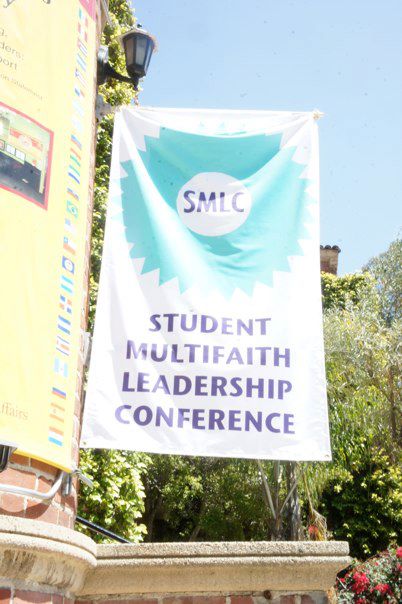
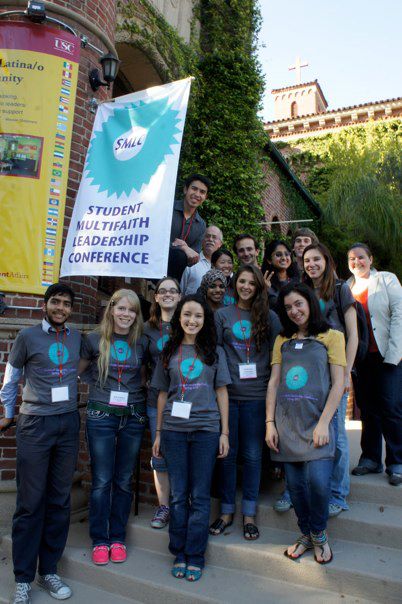
This morning, Facebook informed me that five years ago today, the USC Interfaith Council hosted the first ever Student Multifaith Leadership Conference (SMLC) on campus. I remember planning that conference with the other IFC members. We spent many nights crammed in one of our apartments, working tirelessly to get spread the word and get our logistics in place. It was my last semester at USC, and I recall a distinct feeling of being busy beyond imagination- writing two theses, taking twenty units, still fulfilling my role as IFC president, and finding time to make the most of LA with my friends- and yet experiencing pure joy despite the stress. The IFC really bonded as a team.

580220_3031658753644_1409522558_n

Reflecting on myself five years ago, I can’t help but feel proud of the students I served at Northeastern, and the amazing interfaith leaders I have met around the country since the SMLC. The world is in a different place, sort of- on the whole, these students are much more aware of the role interfaith communities must play in dismantling systems of oppression and including various identities at the table. I see a great success and opportunity in partnership- beyond dialoguing and learning, the young people are showing up for each other to seek racial justice, gender equity, rights for immigrants and the undocumented.

My Senior Ministry Project at UChicago focused on interfaith dialogue as a model for building identity awareness. I think it’s no secret that when we seek to hear convictions that conflict or sometimes even threaten our own, we learn more about ourselves. We are forced to contemplate our own beliefs. One afternoon on the fourth floor of Swift Hall (the home of the Divinity School), I presented my thesis to the Dean of the Divinity School. He asked me to dig deeper on a couple points, and finally, he said, “Tell me honestly- how many students do you really think would participate in this kind of thing? It seems like such a specialized program.” “All of them should,” I responded. He laughed. “You really believe that?”

The idealist in me says yes, I do believe that. I think everyone should participate in interfaith dialogue- even the vehement atheists. Education is about confronting ideas that bring us discomfort. Interfaith dialogue at it’s height is deeply uncomfortable. I have learned over several years of doing this work that humans are pretty particular when it comes to our worldviews. And yet, voicing our particularities is exactly what makes the work together so meaningful.

521979_3031662113728_838276500_n

I remember the day of the SMLC donning my purple and turquoise shirt proudly. There was a typo on it, but that made it our own. At the closing panel, I sat next to my friend Antonia, a pagan writer and anthropologist, feeling a little sad that the experience was over. We had all put such heart into the work. And we never should have met, that group of people. We studied different fields, traveled to different places, called several nations home. The intentionality of the group is what gave me so much life, so much joy. As I continue to reflect on my journey at Northeastern, I believe the days I felt the most joy were the days I saw that intentionality in my students.

529956_3031667153854_1864528299_n.jpg

When there is no reason for us to meet, we are faced with our own truths. We can’t fall back on assumptions that we are friends because we find the same things interesting. Discomfort brings learning. It also helps us build deeper relationships because it helps us dismantle the systemic urge to stay safe in our bubbles. If every person we encounter is meant to teach us, we learn most from those who are most distinct from us. We never should have met. And yet, here we are, finding joy in the world together.

26.2

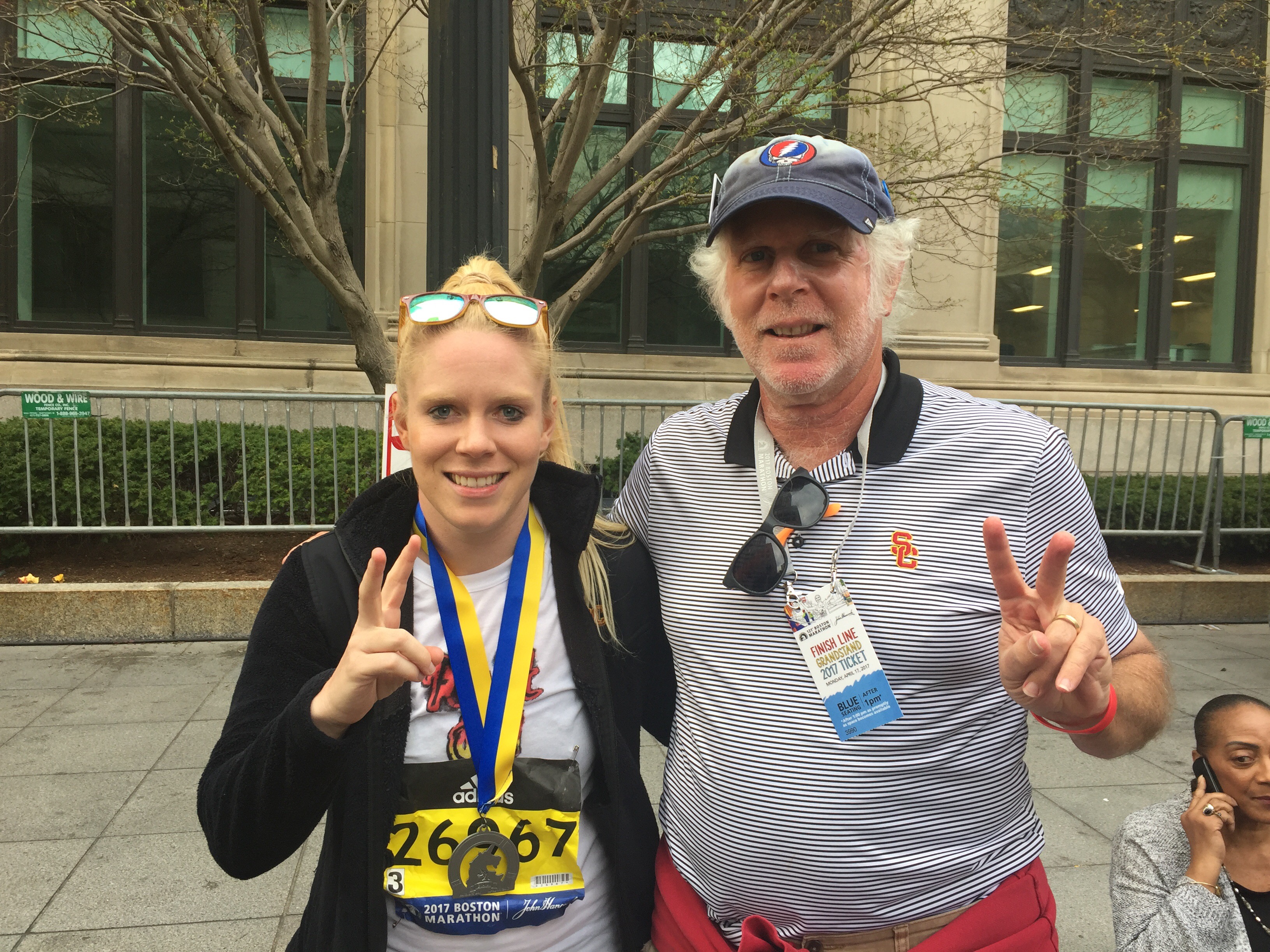
It’s the greatest marathon in the world, they say. Once you’ve done this, you can check it off your bucket list. 


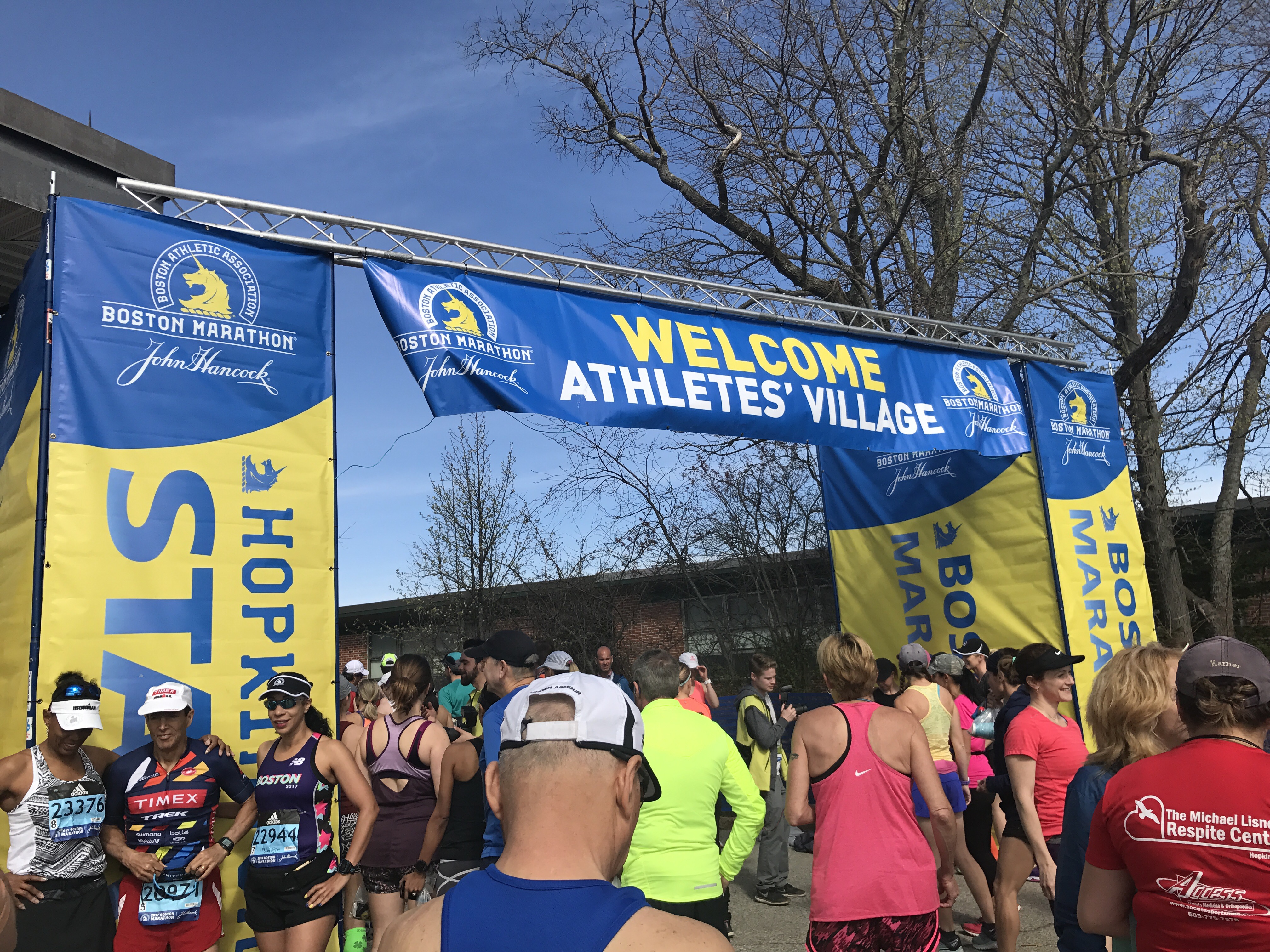
During the training season, veterans of the race share their advice and the lore of the course. Don’t start too fast. Pour water on your head. Heartbreak Hill isn’t actually the hardest. Only pass people naturally, not in a weaving fashion.  They told us what to eat, what to wear, how to stay motivated when our legs screamed. This weekend I realized that while running is one of the most individual sports, it takes a village. 


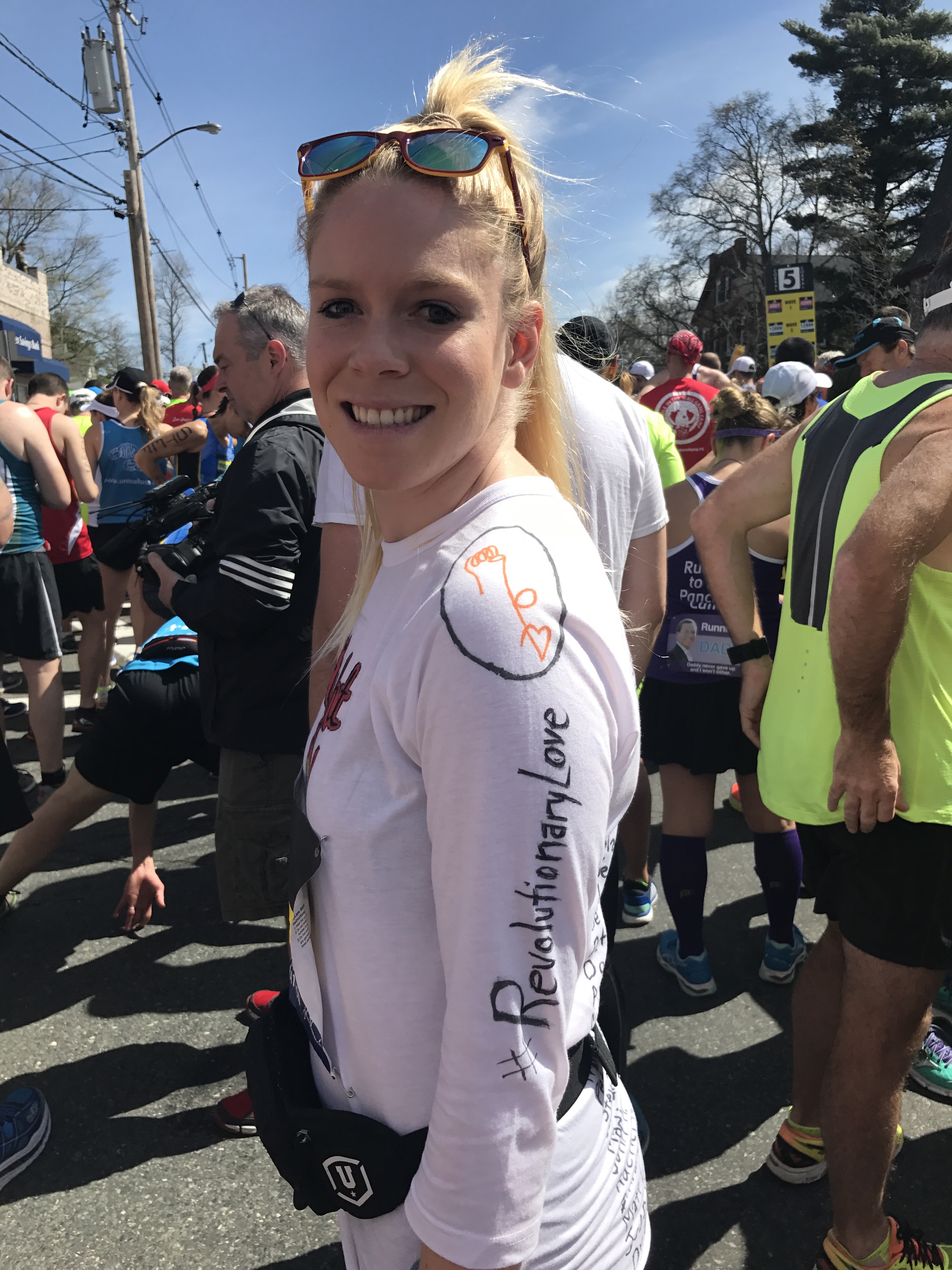
The city of Boston loves the marathon. Sure, it’s a holiday, but the event is a source of pride and recognition for Bostonians. I saw that love in so many forms. Volunteers at the expo, the drivers that took us out to the start, the sarcastic announcer guiding us to our corrals, the families cheering, the dogs wagging their tails, the medics, the pacers. With 30,000 runners, the production of this event takes almost double that to put on. Knowing this, it felt like a real honor to be running for Revolutionary Love and Trinity Foundation. 

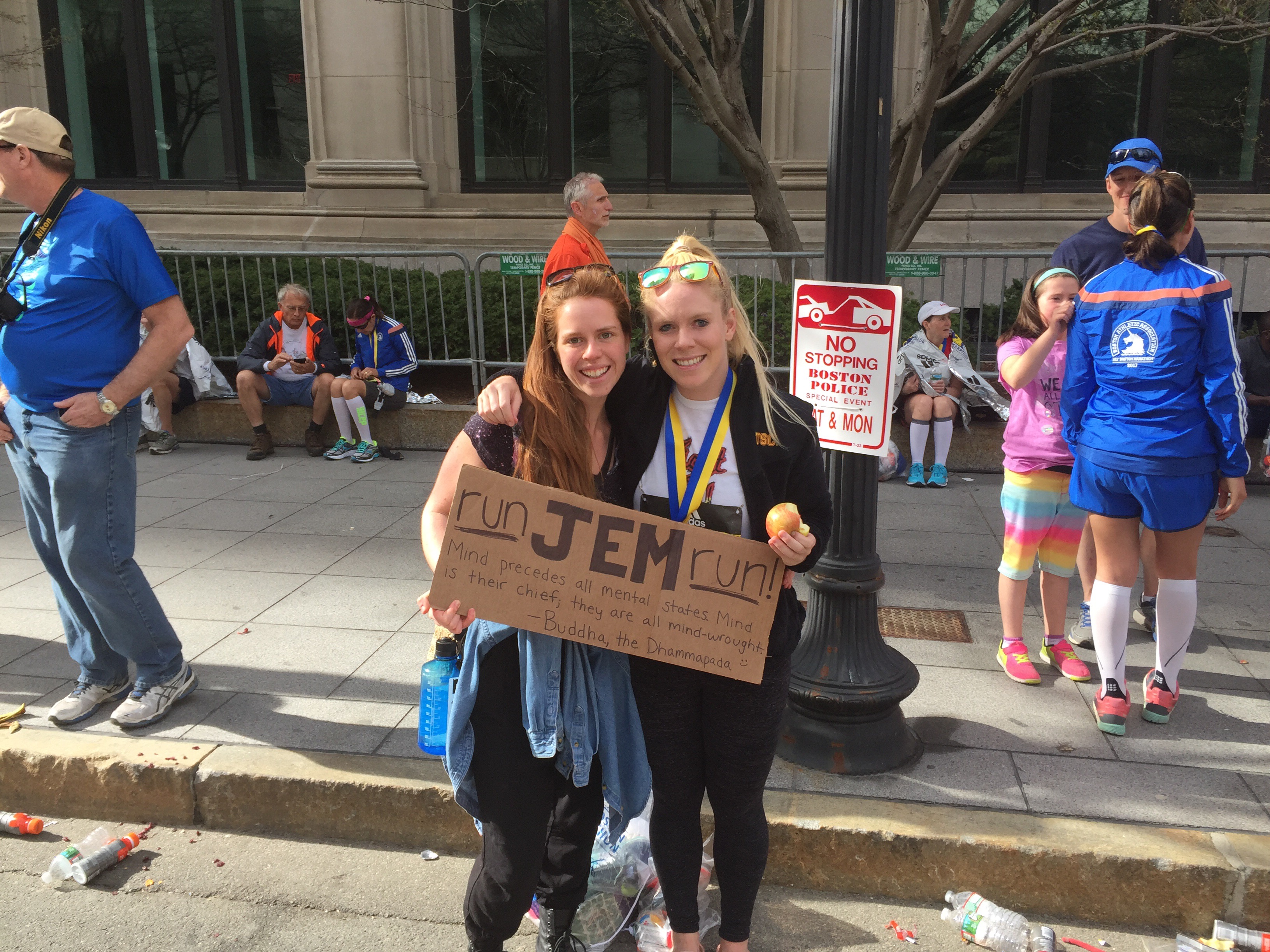
At Mile 16, I looked to my right and saw 4 students who were screaming my name. I screamed back and gave them all hugs. It gave me such a boost knowing they were there. In perfect fashion, my dad awkwardly high fived me while taking a picture half covered by his finger. And at Mile 20, I found one student holding a sign with my name (!) and she ran with me. Another great boost. Then I saw Jose, and he ran with me. 


The last five miles were tough. I hobbled most of the way, hoping to see the next mile marker around the corner. I know now that if I were running by myself, I would not have made it to 26.2. But the village didn’t give me that option. The village reminded me why this day was about finishing.


Yesterday was about running for something, when over the last year I’ve been running with something. Running has helped me confront pain and trauma, sadness and loneliness. It gave me a community to embrace. Community is not easy for me to find or maintain for various reasons, but yesterday I ran for them. I ran for my beloved Northeastern students. I ran for my writing class. I ran for my new scholarly community at Stanford. I ran for the Revolutionary Love fellows, imagining their smiling faces at the finish line. And I ran for me- never once letting myself utter any words of doubt or fear that I couldn’t do it because I knew it was possible. Love really carried me over that line. 


I don’t know if I would run another marathon (halves sound great at this point!), but I would do it again given the chance. I can now call myself one of the finishers of the greatest marathon in the world, and that feels pretty cool.