30

Yep, 1-8-18 was yesterday. Which is exactly 30 years from 1-8-88 (my birthday). I am now 30.
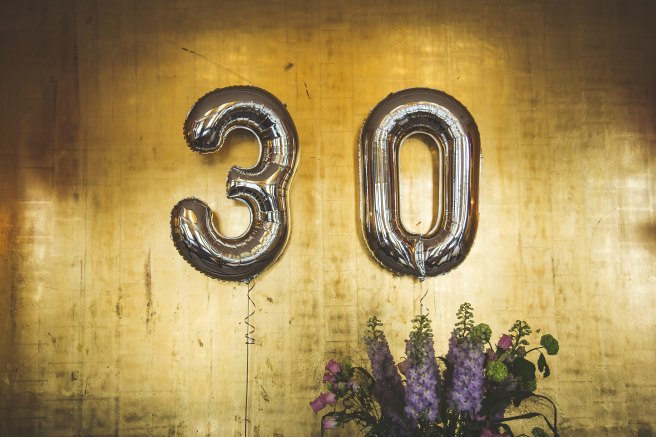
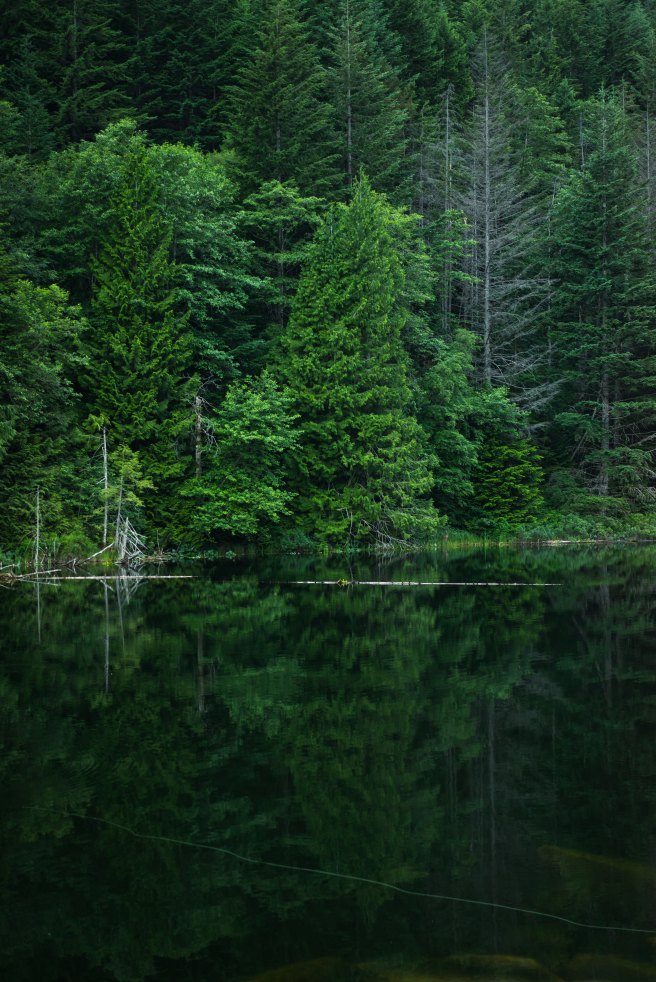
johannes-wredenmark-249542
Photo by Johannes Wredenmark on Unsplash

My mom suggested I start telling people that I’m 30 about six months ago.”It’ll help you avoid the shock,” she encouraged. She did the same this year…I’ll refrain from revealing her age, though I definitely believe she looks and acts much younger.

I felt sad for a while. My twenties saw tons of changes and growth. And mistakes. At first I feared that turning thirty meant giving up certain arbitrary habits and practices. Admittedly, some things are more difficult. A hangover, I imagine, is much less pleasant than at 21. Perhaps.

As you might know from previous writing, I struggled with my weight this year. After running the Boston Marathon, it felt like my body clung to the extra pounds that it needed to run 26.2 miles. I experienced shame and frustration and in the darkest moments, exasperation and used foods I know are bad for me as an excuse. “It doesn’t matter,” I thought. I’d rather enjoy this than deprive myself for nothing.

I’m on day 10 of the Whole 30 program, a 30-day lifestyle change that focuses on eating only whole foods and thinking differently about dessert as reward, or weight loss as the true goal for achieving health (for example. There’s plenty of useful pillars and ideas of the program). I decided to spend the first month of 2018 saying yes to what I know is nourishing, instead of feeling left out of what I can’t eat or do (like eat cake on my birthday). It sounds really corny, but this mentality brought me some joy as I said goodbye forever to my 20s. There are so many things I CAN do as a 30-year-old. For example:

-I can rock pink pants as well/better than when I was 18. Style never dies.

-I can sing in the shower as loud as I want.

-I can start reflecting on my twenties and realize how far I’ve come.

Thankfully, I don’t feel constrained to a timeline. Five of my friends got engaged in the month of December. More and more of my friends are having children. Some of them have started and built companies. Some have finished graduate school. Some are sitting in uncertainty and that’s totally fine. I’ve been there. I am there! I’m not in a hurry. As hard as it is, comparison only serves to discourage us.

You know what has been a real blessing over the past decade? The amount of fine people I’ve met in a myriad of ways. I was reminded of that yesterday when people actually called (yes- CALLED) and texted and messaged to say they were thinking of me.

I’m still totally confused about my life and what I want to do when I grow up. My life has some surface level certainty for the moment (I know where and when my classes are and what work I need to do each night) but the realization that there is no age in which we “know” life’s structure and methods is liberating. Perhaps I can stop searching. For now, I’ll enjoy some of the delicious fried plantains Jose made yesterday, because I CAN eat them (and now they’re all gone. Yum).

2018

I’m going to start with failure.

At the Museum of Ice Cream

It’s so important to recognize and even cherish failure when it brings change. Admittedly, that is much easier said than done for me. I loathe admitting failure because of shame. But, sometimes looking at failure can put success in better perspective.

I wasn’t direct with people who upset me or made me feel excluded, even though I believe their intentions were not to make me feel this way. Much more importantly, I failed to call out racism, sexism, religious bigotry, and other forms of oppression that I witnessed.

I got rejected from two writing fellowships and received quite a few rejections for writing pieces that I submitted. Every single one felt like a punch in the face. Honestly, every single one made me want to throw my computer, quit this blog, and decide I’m simply not a writer and this pain could be avoided and forgotten.

I gained 15 pounds. This isn’t the failure, however- the failure was my ability to accept my body as it is and instead of focusing on health and wellness, I spent more than a night sobbing about my pants feeling too tight, my face looking more round, or my hips being too wide. I let myself feel unloved and not enough because of my body. At certain points it was excruciating and all I could do for comfort was bake or develop a guilt-ridden relationship with exercise.

I spent way too much money.

I wasn’t supportive when I needed to be, especially in a year that saw DACA ended and rights to healthcare and identity compromised.

I learned that my academic writing is…rusty, to say the least. I didn’t utilize all the office hours or meetings that I could have to improve my projects because honestly, I felt intimidated and overwhelmed.

That’s only a sampling. The good news is, after some of these failure I felt an urge to write “but” or “nevertheless…I persisted.”

I told someone directly that their actions harmed me by assuming ownership of my body and personal space. My heart pounded through the entire conversation. Afterward, I felt a mixture of guilt and pride. Currently, I feel much more pride for working on standing up for myself. In the same light, I learned who my friends are and how important it is for love to include both encouragement and honesty about times you screw up.

I actually did publish a few pieces online. I left my comfort zone and wrote fiction, which is still a work in progress but allowed me to see how creative (and downright weird) my mind can be. I got two academic papers accepted to conferences. My best accomplishment: I wrote a blog every single week, which means The Practivist has lived on through a year and a half.

Though my body looks and feels different, I asked it to do pretty strenuous things. I ran a half-marathon and a fill marathon, training in sometimes frigid temperatures. I met some amazing women at a writing retreat in New Mexico who helped me shape a new perspective about body and enough ness. At the same retreat, I called myself a writer and basked in the glory of an all-women space.

I left a job that I loved, saying goodbye much too hastily to students that taught me and inspired me. My chaplain colleagues held me through a time of incredible pain, and celebrated with me as I made an important transition.

My partner and I drove across the country and faced realities about our country that were difficult to accept, including a downright terrifying moment involving the police. When we settled back in Los Angeles, we spent the summer enjoying our city together. I watched him gently yet firmly climb out of mourning into thriving in his art, work, and teaching. While we know grief lasts a very long time, joy has found him again.

Recently, I got word that my application for a fellowship grant was accepted for a dream project. While I know this project would move forward even without the grant, I found myself crying at the kitchen table after I hung up the phone without full understanding of the origin of these tears. As I type this, I realize they represented success. Not just because someone else believed in me, but because I believed in a vision enough to make myself vulnerable for it.

No resolutions this year, except the Revolution. Happy 2018.

Myth

As the quarter closes this week, the writing process continues at full speed, with half-finished thoughts and some consolation. There is never enough time, but perfectionism impedes creativity and progress. I’m realizing that my three classes all revolve around narrative this quarter, so making sense of how stories dictate values is on my mind.

jonas-jacobsson-411041
Photo by Jonas Jacobsson on Unsplash

One of the projects I am working to finish is an essay about myth and interfaith dialogue. In my circles, I don’t need to stress the importance of dialogue (preaching to the choir) but I do think it’s important to complicate what actually happens when people are vulnerable and share how their own experiences lead them to convictions. More wisdom is better than less, but what if that wisdom promotes conflicting values? This seems a necessary question as not a day goes by without someone noting “how divided our country is.” We are living by irreconcilable myths, and we cannot deny that a selection of these myths intentionally ignores or legitimizes pain and dehumanization.

Northrop Frye, a literary critic, and Wendy Doniger, a professor at the University of Chicago, both deal with myth in their work. Both stress myth as narratives that deal with human crises, especially finitude. Comparing myth across cultures and traditions is dangerous if we are not careful to acknowledge context and particularity. What I find compelling about myth, especially as a process for dialogue, is how we pull meaning from stories that have no historical or logical basis. I think our ability to do this speaks to creative expression as one of the highest forms of spirituality. I also think this process of meaning making is the closest we can get to a universal human experience, which is living with inevitable change. We are constantly attempting to make sense of “why things happen.”

This quarter has been tough, not just because of the rigor and caliber of work required, but because moving to a new place heightens the knowledge that meaning is obscured. I always enjoy learning through a variety of channels- reading interesting texts, lively discussions, and especially making connections to my own work in the field of interfaith studies. But as a person who enjoys nerding out about baseball statistics and marveling at bright, obnoxious fashion trends as much as writing papers and discussing medieval saints’ lives, finding wholeness has been a real challenge. I think the process of living by a new story takes time and struggle before the narrative truly emerges. Communities are struggling to incorporate old stories into new problems. When the stories generate no meaning, it’s time to start telling new ones.

One thing all the stories have taught me this quarter is that crisis never leaves the human experience. It’s false to believe we will ever live without the apprehension of some kind of challenge, and there is plenty of wisdom from various times and places to aid us in remaining present and to let go of attachment to a particular outcome. Still, there is something comforting in the fact that a benchmark of the human experience is grappling with narrative and meaning-making. I think this is important to remember, especially when we need to reflect on how we participate in narratives that cause harm.

#ITFDB

Baseball season is over. My family will enjoy the rest of college football and count down to bowl month. We will also stuff ourselves with lasagna and cheesecake for Thanksgiving and Christmas. It’s tradition.

IMG_1179
The day Clayton Kershaw pitched a full game in 99 degree weather.

Full vulnerability moment- I was sad yesterday when the Dodgers lost. That is an understatement. I was an absolute wreck. Today I threw myself into reading about medieval saints in Sicily and Augustine. It helped, albeit mildly.

I tried to avoid social media and focus on my own life- what I actually have control over. Then I went on Reddit/Dodgers and watched a video of the highlights from the season. And I sobbed again.

This was a special season. The last time the Dodgers went to the World Series, I was nine months old and Kirk Gibson hit a walk-off homerun to win the first game. This year, on the exact same day, Justin Turner did the same thing to win game 3 of the NLCS. Apart from that, I went to 14 games- 12 regular season, 1 playoff, and the first game of the World Series. Each game was unique. Records were broken. Clayton Kershaw pitched a full game in 99 degree weather as we sweated in the Loge. My sister finally got her UFO ice cream sandwich. My dad and I laughed uncontrollably when Yasiel Puig licked his bat (something that would make several folx a heck of a lot of t-shirt money).

I watched the Dodgers lose twice at home. I got frustrated during the losing streak. I got to know the players, their significant others, their hilarious mannerisms. The players, a group of unlikely rookies and unknowns, all pointed to the press box when Vin Scully called his last game after 67 years. I cried when Dave Roberts talked openly about losing his father, because someone very, very close to me lost his father this year too.

Baseball season marked my move back to California after five years. I spent more time with my best friends and my family than I have since college. The final loss debilitated me- it seemed like the stars had aligned just to be shattered. But I realized after watching that short video that I would have been sad regardless. It meant the end of a really special time, the dog days of summer transitioning into a beautiful fall in Los Angeles. My home.

I remember my first Dodger game. I was seven, and my dad took me to a Sunday day game. Hideo Nomo, one of the first Japanese players in the major leagues, pitched. My dad asked me to translate the fan’s signs in Japanese. We sat in the top deck with barely anyone around, and my dad made sure I could sit in the shade so my skin wouldn’t burn. A father and son sat behind us, and after chatting for a few innings, he gave us his business card and a coupon for a free light bulb at his hardware store. That game marked the beginning of my love for the Dodgers, and baseball as an “intellectual” sport. As a softball player for fourteen years, I live for the statistical analyses and the situations of every play. My dad used to quiz me in the car before my games. “Runners on second and third, one out. Where does the center fielder throw?”

I feel lucky to have a story like that. My dad and I still laugh about the light bulb salesman, and he still quizzes me. It’s interesting to read the theories about sports as a kind of religion. I see some similarities. Community especially.

I do hope one day I’ll get to see the boys in blue win the Series. Regardless, I know I’ll get to the ravine next summer and hopefully every summer after that. Congratulations to both teams, it was a fantastic World Series. I leave you with the words of the great Vin Scully:

May God give you, for every storm, a rainbow; for every tear, a smile; for every care, a promise; and a blessing in each trial. For every problem life sees, a faithful friend to share; for every sigh, a sweet song, and an answer for each prayer. You and I have been friends for a long time, but I know, in my heart, I’ve always needed you more than you’ve ever needed me, and I’ll miss our time together more than I can say. But, you know what, there will be a new day, and, eventually, a new year, and when the upcoming winter gives way to spring, ooh, rest assured, once again, it will be time for Dodger baseball.

Me Too

Me too. Of course.

The patriarchy runs deep. So deep. How many of us hesitated to post the hashtag because a) we felt ashamed, b) we felt triggered, c) we felt invalidated (I “only”…”just”…”not a big deal”…) or d) all of the above? No victim or survivor owes social media any indication that they, too, have suffered. But the problem is a tangled web, not a straight line of perpetrator- victim.

mihai-surdu-415698
Photo by Mihai Surdu on Unsplash

Who is “us”? We can’t just include women, here. Not only does that invalidate the experience of queer, non-binary, non-conforming, and others who have born witness via their own bodies to sexual harassment and/or assault, but by ignoring anyone except women, we take away agency from everyone. Survivors live every single day, and that takes agency. As little as it might feel we have.

Something else that bothers me about the past two days’ worth of posts on this hashtag: it is so easy to sympathize without owning one’s role in the abuse. This doesn’t just go for men. The first time I grappled with the truth that I experienced assault, I was not much younger than I am now. Not only did I have to relearn that what I experienced wasn’t “meant to be flattering” or “because of what I was wearing,” I began to realize that I had said those things about other people. I questioned women who wore short dresses and high heels and layers of makeup. What did they think would happen? By thinking these things, I participated in the patriarchy. Even as a survivor, I can still uphold misogyny.

Dismantling is not a one-and-done experience, either. Even now, I catch myself feeling irritated by a student who speaks too much in class- but would I feel as annoyed if the student were a man? Subconsciously, I felt more comfortable calling a female professor by her first name than a male professor with the same qualifications. Why? I’m disgusted with my subconscious. This is the problem with categorizing “assault” and “harassment” as different from “microaggressions” or “casual sexism.” While one may involve physical violence, and each experience brings a different kind of trauma and need for subsequent processing, the idea that one can’t participate in the hashtag campaign because the only real experience they have was “just” when their boss interrupted them constantly, or they’ve “only” been catcalled by strangers, not raped after drinking at a party, so blatantly hides the existence of misogyny everywhere, among all people. These “small, meaningless” gestures are the most dangerous because they are so hard to call out, and further, to explain to the perpetrator- the burden of course falls on the oppressed. Yet these acts uphold rape culture. As harmful as this has been to me, I cannot help to dismantle unless I examine my own interactions with it.

I am in awe of the friends who have shared their voices and stories these past few days. I couldn’t do it. It is so common to internalize our shame. Me too: I am a survivor. Me too: I am complicit. Me too: I pledge to bring my subconscious participation into the conscious, stomp on it, and work to liberate my fellow survivors.

First Day

The first day of a doctoral program feels just like the first day of third grade. It’s been three years since I had a first day of school, so I felt particularly nervous. Starting a new routine is always both stressful and empowering. This morning I woke up before dawn and went to yoga, except it wasn’t already intense Vinyasa, it was this workout that I can’t even begin to explain. I don’t think I stood on both feet for more than 5 minutes. After surviving that, I came home and indulged in delicious pumpkin pie flavored coffee and a gluten free bagel that Jose made, smothered in onion and chive cream cheese. Finally, I rode my bike without harming anyone to the main quad on campus, found my classroom with minimal issue, and made it through Arabic. After lunch and more coffee, my Theories and Methods in Religious Studies class met for less than two hours, in which we discussed antics of philosophers and psychologists. I came home and made some delicious enchiladas and read for tomorrow’s class.

bryce-evans-202178.jpg
Photo by Bryce Evans on Unsplash

The thing about first days, besides being exhausting, is that heighten my awareness of what changes are to come. Have you ever looked back on a semester, or even a year, and realized how much transformation has taken place? You have several new relationships- classmates, teachers, teammates, fellow organization members. As each day brings the familiar back, we grow more and more complacent, forgetting that first day and all it’s intricacies. Now that I know where my classes are, I won’t experience the few moments of tense searching for the right building, realizing there was a much closer place to park my bike, or that forgetting cough drops was a giant mistake. This isn’t a negative, it means we can begin to thrive in our environment because the “housekeeping” is finished.

First days have never been a good experience for me. Overwhelmed and without a confident routine, my first days have consisted of spilled coffee mugs in a new backpack, waiting way too long in line at the bookstore only to realize I am one notebook shy, or missing a key line on the syllabus and thus already slacking on the homework. I once sat through an entire Advanced Mandarin class on a first day because I was too embarrassed to leave. Not to mention, I feel lost without solidifying the communities that are some of the most important to me- the classrooms. Part of the reason I love living in an academic environment so much is the ability it gives me to meet fellow linguists and theologians and historians and ethicists. First days remind us to trust the process that these dynamic communities will build themselves as we learn together.

Today was the best first day I remember. Perhaps that it because I have missed this environment so much. After three years, the search for the classrooms, finding a parking space, even learning I bought the wrong book didn’t overwhelm me as much as it made me feel joy at the notion that this will be my routine for a long time. Many days from today, I may look back and feel silly about this, but for now, I’ll enjoy the unknown.


Risk

anatoliy-gromov-282242
Photo by Anatoliy Gromov on Unsplash

I have officially touched down in Palo Alto. Let me brag for a second about how epic my summer was, thanks to my family, friends from all over the country, mentors, and teachers. By the numbers:

-19 states visited

-84 hours of yoga

-3 thrilling USC football games

-72, 000 words written

-11 Dodger games, including one day when it was 100 degrees on the ravine

-52 books read

-95 days of French study (Duolingo FTW)

-9 doctor/dentist visits (and my first cavity!)

-3 Incubus concerts (also a pretty sweet country show with two of my best friends)

-100 morning walks with my wonderful mom

-An absolutely amazing writing retreat with 23 goddesses

-1 epic road trip that taught me so much about my country and its people

-A productive and much needed meeting with 12 of the coolest college chaplains

I finished the Revolutionary Love fellowship as a writing fellow and started a new position as a researcher for the project. I traveled to New Mexico twice, each time falling deeper in love with the vivid desert colors and even surprise lightning storms. I hung out with former classmates and other IFYC alumni. I visited the Ice Cream Museum.

I also struggled quite a bit with my weight, an exercise obsession, and feeling like “enough.” I sent in several writing pitches and got well-worded rejections. I experienced loneliness and growth from it. I am shattered and grateful. So grateful.

And now the next part of my life begins. I took a risk moving to Stanford because frankly, I’ve always struggled to feel like part of the academic community. Am I smart enough, well read enough, capable of learning to be an “expert?”

My family and friends have been teasing me about becoming a tree (Stanford’s mascot- or is it the Cardinal? More on that…) because we bleed cardinal and gold as die-hard Trojan fans. I responded by promising to maintain my loyalty. It’s all in good fun, but as I considered moving and beginning my life here, I began to think about this risk and what “risk” means.

Place is important to me. I have been so lucky to travel around the world and the country, experiencing a plethora of ideas and beliefs that clash with my own. But home is home for me, and that will probably never change. Though I’m now closer to home than I have been in five years, braving snow and long plane flights with turbulence that makes my heart pound, this place is still not quite home. And that’s fine. Risk for me is believing I can make this new campus and city home, that I can find meaning and purpose by listening and finding ways to be helpful.

Home has changed since I’ve been away. My sister started her first job as a surgical resident. One of my best friends left a very well-paying job to get closer to her dream of working at USC. My colleagues got married, divorced, had kids. Two left this earth way too soon and I felt crushed that I never got to say a proper goodbye, or tell them how gorgeous of a human being they were. Home will continue to shift and move still, and I will return to see and feel shocked.

Taking this risk means trusting that change is not only inevitable but necessary. Trusting that new jobs and family members and even losing some will test me. I have to learn to trust myself, especially in failure.

My adventures will not soon be forgotten. One of the women in my small group on our writing retreat spoke about writing in a joyful time in her life. She said in some ways, writing about pain is easy. Recognizing when we are full and when our lives feel fruitful is difficult. Of course we experience cycles and every day gives us both. Our people lift us up and celebrate with us, and when we find these loving communities we are indeed home.

I cannot say I feel ready, but this risk feels like a good challenge for my mind and soul. Just like the lightning storm on a sweaty Phoenix evening that both terrified me and gave me a new sense of beauty, this new place scares me and tests my ability to find home.


Cake, Honesty, and The Best

How do you live your best life?

This question. It’s been plaguing me for months! I’ve written a fair amount about joy as an act of resistance lately, because my hope is to sustain myself (and y’all, dear readers) for the long road ahead. There’s a great Buzzfeed listicle that instructs “go the F*** to bed,” which I will never oppose. It’s not easy to find joy in trying times, and further, it’s easy to feel guilty about experiencing happy emotions when so many suffer.

I’ve been causing myself an inordinate amount of suffering in the way that I see my body and what I put in it and ask it to do, desperately striving to maintain control over food and exercise. My excuse has been, “I have so many clothes. I want to fit in to them.” One of the times in my life I felt I was living best was during my senior year of college. I had joined a gym downtown primarily because they offered quick 15-minute workouts, and what college student doesn’t want to save time? After a few months of working out there 4-5 times a week, they hired me to train other members. I loved the attitude of Educogym, the “forget everything you know about dieting and eat FAT for breakfast” message. This isn’t a commercial, though I definitely wrote several glowing reviews online. The truth is, I was living my best then because I was living in the present glory of gratitude for who I was, what my body gave me, and the image I held of myself as a person in the world. It has not always been the case that I have been so gentle and accepting.

Acceptance proves difficult when you tell yourself “you’ve done it before, why can’t you do it now?” For the past few months and even years, I have experienced a yo-yo sensation between “eating clean” and “omg cake, pinterest, ALL THE BAKES!” The experience meets with emotions of longing, on the one hand, and then guilt on the other. How do we have our cake, eat it, and feel good about it?

lance-anderson-167718
Photo by Lance Anderson on Unsplash

This piece isn’t mean to police any kind of diet, lifestyle, calorie count, or exercise regimen at all, in fact I want to return to the question of living our best lives by tweaking the prompt. How do we live our most honest lives? It moved me that perhaps this yo-yo effect is leading me to think about a deeper need, one of balancing health and a pursuit of freedom. I needed to be honest with myself about my own limitations and abilities to enjoy the present for where I am. So I baked a giant brownie torte, picked five dresses that cut off circulation in my arms, and folded them neatly to donate.

It’s important to live our most honest lives because we face our deepest convictions. Performative actions, to impress, to prove, to hide, harm everyone involved. We have our cake, eat it, and embrace it when there is harmony in value and action.


I am a Writer

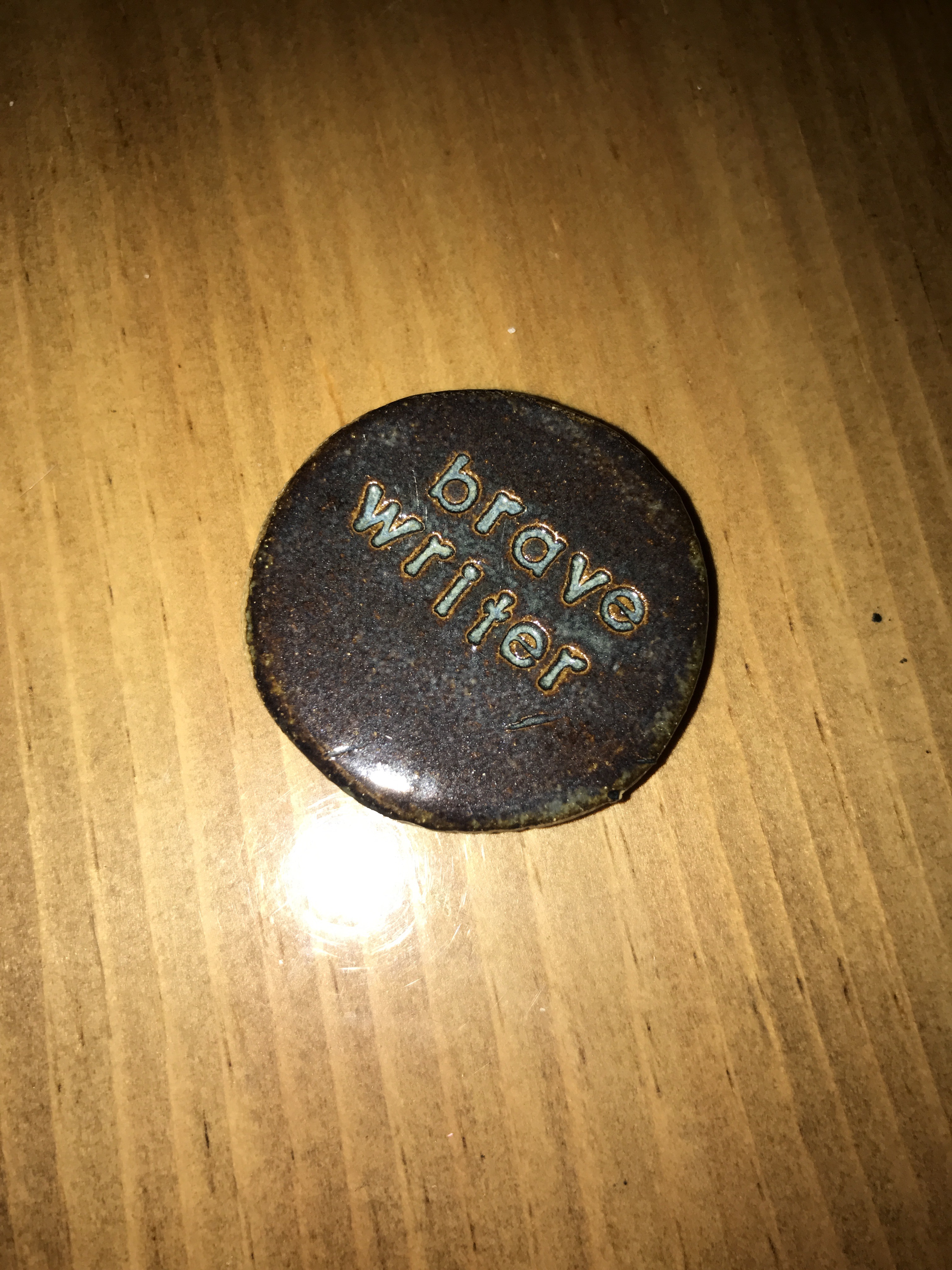
A token from Jennifer Louden, our retreat leader

I am a writer, and I am writing.

I come from a strong line of female writers. My grandmother liked to write historical fiction and romance novels. My mom is writing a memoir about being the parent of a medical school student. We are writers, and we write.

I spent the last week on retreat in Taos, New Mexico with 22 brilliant women writers. Every day we listened and shared, wrote and read, moved and found stillness. Every day the rain came and brought with it the scent of fresh lavender and mountain air. As our time together went on, I heard an echo from several of the women at lunch, in our small groups, even after morning dance: You are brave. You are so brave.

Every time I heard this my gut reaction was to correct. “Oh no, I am not brave. I may hide it well but inside I am terrified, nervous, anxious, and completely unsure. My mother is brave- a cancer survivor. My grandmother was brave, she was a mother of six. But I am not like them.” In one of the afternoon sessions, our assignment was not only to name our inner critic but to personify them. These are the people or experiences we internalize that tell us we can’t write because we’re not creative, or edgy, or we might offend someone. What if they could help us, we mused.

My inner critic turned out to be an old man sitting at an antique wooden desk, looking sternly at me over his glasses. In his hand he holds a rejection letter. All it says is, “no.” The man couldn’t be expected to waste his time telling me why or what I might do better, he just laughs and shakes his head. “You really thought your story belongs in our prestigious publication? HA!” He shoos me out with a lazy wave. This critic comes from something I wrote about last week, which is an obsession with perfection and a deep hesitance to show anyone my work unless it’s absolutely stunning. I can write all day, never stopping for a minute to consider how scary it is, until it comes time to share. I can practically feel my face fall when the email comes in, something about dear writer, we regret…it’s hard to read past that part. Sometimes you don’t even get an email, just silence. Ghosting, as the dating world calls it.

I read a few books this week, really living in to the question “What do you want in this moment?” Reading is always one answer. In the book The Spirituality of Imperfection, the authors tell us that admitting our imperfection is quite a profound step as humans, but one that ultimately leads us to healing. In one chapter, they consider the woes of perfectionists by considering a particular point: “We may not be able to do anything completely perfectly. But what that means is that we cannot do anything entirely imperfectly. Consider a bad day: we wake up late, spill our coffee, give a terrible presentation at work. But we complete a few tasks and commiserate with our spouse in the evening, and not everything has gone wrong.”

I thought about all the writing I have ever read. What a spectrum from mind-blowing to absolutely horrifying. Yet, the mind-blowing could always be tweaked just a little more. The absolutely horrifying still has one tiny piece of merit. My work will never be perfect, and never completely useless. Bravery is knowing this and not letting it stop you.

I am a writer and I am writing. I come from a strong line of female writers- my grandmother, my mom, and now 22 new sisters. None of us perfect, all of us alive with stories. We are writers and we write. We are brave- fear exists within us, but we do not entertain the possibility that this fear would stop us from doing what we love and what is right. And what is right, is to write.


Staying in the Room

This blog is non-fiction, in as much as we can argue that real life is not fiction but “true.” I prefer to write non-fiction. I prefer to read it too.

Sometimes it’s good for us to step out of our comfort zones (it’s usually always good and often necessary to learn and grow) so in preparation for the writing retreat I will attend next week in Taos, New Mexico, I read a book about writing fiction and decided to try it. The book gave me just enough food for thought mixed with inclinations to panic and run that I decided to give it a try. It seems a little meta to be writing about writing about something that didn’t actually happen.

don-ross-iii-195085.jpg
Photo by Don Ross III on Unsplash

First, I sat down and reflected about a recent experience I had with selling a textbook on Amazon and the post office. Let’s just say my seller account is now suspended even though I sent the book on time. I followed the process laid out in the book and heeded the most important advice: stay in the room. It was helpful to read that because admittedly, when I try to write and don’t know what to say next, the coffee maker calls to me. Then the vacuum. Then that new book on my reading list. Then my bed…a little nap…I tell myself it will come later, and close my laptop. Sometimes this does feel necessary, especially writing pieces or passages that involve shame, guilt, or something humiliating. Yet I wondered what it might be like to stay in the room when emotion gets the best of me. In some Buddhist practices, we do this through meditation. Sitting alone with yourself brings terror to the mind if it is full of anxious thoughts, but we remain in stillness even with tears rolling down our cheeks. There is no common outcome for this practice, but by facing the pain we take a step toward allowing ourselves to heal.

I felt embarrassed and angry about this Amazon situation. I sent the book on time, why should I be blamed that it never arrived? And then I lost money! My frustration caused wild thoughts to coarse through me. The person probably did receive the book and was now sitting on her couch counting my money like Scrooge. Or, took friends out to lunch as they all laughed at the scam successfully executed.  Worse, now it looked like I had tried to cheat someone, and it felt like I should go sit in the corner, facing the wall, and endure my timeout. I knew this was the situation I had to write in my story.

My character left the post office feeling just as I did- angry and embarrassed. The post office couldn’t find any record of the package. As I wrote, taking inventory of the scene around my character, her quirks and spontaneous inclinations, the characters she meets along the way, I realized this exercise is nothing more than active listening. I stayed in the room, listened to my character, and reflected her feelings back through the next actions. I finished the story after a few hours. There were definitely moments when the coffee pot called out, or it took everything not to check a Facebook notification. In the end, I’m glad I attempted fiction, because it helped me realize what’s true for me in this moment.