Myth

As the quarter closes this week, the writing process continues at full speed, with half-finished thoughts and some consolation. There is never enough time, but perfectionism impedes creativity and progress. I’m realizing that my three classes all revolve around narrative this quarter, so making sense of how stories dictate values is on my mind.
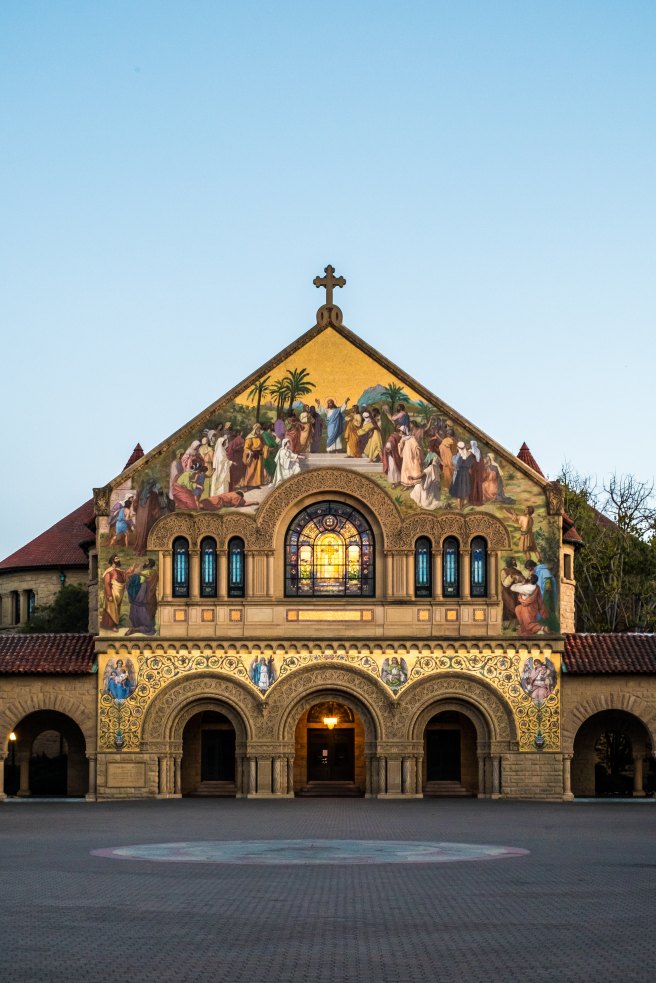
jonas-jacobsson-411041
Photo by Jonas Jacobsson on Unsplash

One of the projects I am working to finish is an essay about myth and interfaith dialogue. In my circles, I don’t need to stress the importance of dialogue (preaching to the choir) but I do think it’s important to complicate what actually happens when people are vulnerable and share how their own experiences lead them to convictions. More wisdom is better than less, but what if that wisdom promotes conflicting values? This seems a necessary question as not a day goes by without someone noting “how divided our country is.” We are living by irreconcilable myths, and we cannot deny that a selection of these myths intentionally ignores or legitimizes pain and dehumanization.

Northrop Frye, a literary critic, and Wendy Doniger, a professor at the University of Chicago, both deal with myth in their work. Both stress myth as narratives that deal with human crises, especially finitude. Comparing myth across cultures and traditions is dangerous if we are not careful to acknowledge context and particularity. What I find compelling about myth, especially as a process for dialogue, is how we pull meaning from stories that have no historical or logical basis. I think our ability to do this speaks to creative expression as one of the highest forms of spirituality. I also think this process of meaning making is the closest we can get to a universal human experience, which is living with inevitable change. We are constantly attempting to make sense of “why things happen.”

This quarter has been tough, not just because of the rigor and caliber of work required, but because moving to a new place heightens the knowledge that meaning is obscured. I always enjoy learning through a variety of channels- reading interesting texts, lively discussions, and especially making connections to my own work in the field of interfaith studies. But as a person who enjoys nerding out about baseball statistics and marveling at bright, obnoxious fashion trends as much as writing papers and discussing medieval saints’ lives, finding wholeness has been a real challenge. I think the process of living by a new story takes time and struggle before the narrative truly emerges. Communities are struggling to incorporate old stories into new problems. When the stories generate no meaning, it’s time to start telling new ones.

One thing all the stories have taught me this quarter is that crisis never leaves the human experience. It’s false to believe we will ever live without the apprehension of some kind of challenge, and there is plenty of wisdom from various times and places to aid us in remaining present and to let go of attachment to a particular outcome. Still, there is something comforting in the fact that a benchmark of the human experience is grappling with narrative and meaning-making. I think this is important to remember, especially when we need to reflect on how we participate in narratives that cause harm.

Abundance 

Every time I hang out with a group of college chaplains, I seem to be on a beach and stuffing my face. Not to mention enjoying the company of my favorite people on earth. For the past three days, the Association for College and University Religious Affairs (ACURA) chaplains met at Chapman University for their annual conference. We spent one day on Chapman’s campus and one literally overlooking the white sand stretches of Laguna Beach. This was my first time at the ACURA gathering; though I had been to three previous National Association for College and University Chaplains (NACUC) gatherings (the other college chaplain association) and have experienced the same mixture of joy, understanding, and community at each one. College chaplains are people who think deeply about everything they do, and believe strongly in working together in any way possible. 
I’ve been indulging greatly the past few weeks. USC football games, Dodger Stadium visits, cooking with organic butter, enjoying all of the pumpkin and apple delicacies (yep, I’m all in on the stereotype). Even my mind has been offered abundance: on Stanford’s campus it seems like every day there is an enriching talk or workshop that gets me excited and makes me want to buy 50 more books on Medieval Buddhist Feminism or Jovinian’s ridiculous claim in the early church that everyone should be treated equal. I watched Clayton Kershaw throw a masterpiece game last night only 50 feet from home plate at Dodger Stadium in game one of the World fricking Series. There is so much and there are so many for whom to feel grateful, and I do. 


Sitting with the marvelous Rev. Jim Burklo while the sun set behind Chapman’s impeccably manicured athletic field, he asked me a difficult question. “Where are you in your faith journey?” Even though that question never has a real answer for me, I usually say “I’m thinking about this or that.” But lately I’ve been struggling with losing faith in lots of things. Will women ever feel safe walking alone? Will the victims of hurricanes and fires ever feel truly “relieved?” Is the academy really just a bunch of people arguing for the sake of arguing? 
In my courses I’ve been reading about asceticism among the early Christians. Talk about a contested topic! The desert fathers and mothers I once admired from an interfaith appreciative perspective are now poking holes in my worldview. They lived in the exact opposite way I have been living these past few weeks. Or did they also live abundantly, in their own way?
It seems simple, but the Buddha’s assertion that the “middle path” as the true way to enlightenment has always spoken to me. Moderation. We talk about that all the time these days- eat one cookie, not five. Buy one shirt, not one in every color. Know your limits. We fulfill our desire but don’t deprive ourselves. Could this balance be more difficult than absolute abstinence? 
I flew first class once as a lucky upgrade (I don’t think that happens anymore… maybe?) and after getting those full six inches added to my chair and eating an actual meal, not peanuts, in my seat, it was hard to fly the next time. Actually it was awful. Admittedly, I even thought about upgrading at my own expense. Had I not experienced it, I would probably experience mild envy but forget it every time I snuggled in to my economy seat. 
When we taste abundance, we seek to keep it. But if we strive so hard to live constantly in abundance, eventually it becomes the norm. And then we are seeking again. Moderation is not so much a practice in limitation as it is in recognizing when we are not limited. It sounds like gratitude, in a way. The presence of abundance is recognized and enjoyed. 

!

Today I rode my bike to church on campus for a special multifaith celebration. During the service, 24 students were officially commissioned as Fellows for Religious Encounter. This year, they will meet every Wednesday over dinner for dialogue and to hear from engaging speakers. They will visit sacred sites and experience rituals and practices they may have never seen before. As they recited the commissioning prayer before the congregation this morning, I couldn’t help noticing two things: time FLIES, and how necessary this kind of intentional learning is as religion either brings us wisdom to seek justice or violent division.

chris-ensey-87456
Photo by Chris Ensey on Unsplash

I remember stumbling upon a Buddhist Temple in my neighborhood when I was little. It was a temple dedicated to Kwan Yin, a beloved bodhisattva in the Mahayana tradition known for her mercy and compassion for human beings. Inside the temple, there was a wood floor with black square cushions lined along the edges of the walls, and at the end of the long hall there was a statue of Kwan Yin sitting on a lotus flower. My entire understanding of God and faith shattered as I scoured the public library, trying to find books about this way of life called Buddhism. My grandmother told me whatever she knew, and encouraged me to keep looking. I didn’t know any Buddhists, though, so all I could do was take my reading at face value.

Seeing these bright young faces this morning made me want so many things for the fellows. I hope they don’t shy away from noting disagreement, especially when it is harmful. I hope they are forced to wrestle with a misconception dispelled in conversation. I hope they feel a range of emotions: anger, confusion, sadness, and joy when wonder strikes. I hope they listen and learn, and talk openly and teach. I hope they are confronted with not just questions about religion and privilege, but constantly engage in self-reflection.I hope they enjoy each other’s company. Of course if all these wishes are fulfilled, these students will inevitably be transformed.

Meeting someone who practiced Buddhism proved quite different than reading about the life of the Buddha and the Four Noble Truths. My teammate’s grandmother didn’t talk about her beliefs in an organized, bullet-point style lecture (she didn’t draw me a chart), she told me about her father and his father going to temple on New Year’s Day, and contacting monks for funeral services, and living life with compassion at the forefront of her mind. Every Sunday I sat in church and learned about the life of another man who preached compassion, who died so that we could go to heaven. I was confused and upset, scared to talk to my parents about these discoveries but excited about my findings, and bouncing from deep discomfort to honest wonder.

I think about walking in to that temple more and more these days. It seems like if everyone could walk into an unfamiliar place, ask some open questions, and struggle through some necessary discomfort to learn an alternative worldview, we could feel this wonder more often. Of course this is not so simple, but interfaith work is not simple at all. Feeling vulnerable to both share one’s own beliefs and subsequently hear views that thwart them takes courage and patience, and not the least of all trust. It is a worthy exercise for anyone to be faced with doubt. Often, confronting this leads us to an even wiser truth that we don’t take for granted.

I hope they learn. I hope they laugh. !

Risk

anatoliy-gromov-282242
Photo by Anatoliy Gromov on Unsplash

I have officially touched down in Palo Alto. Let me brag for a second about how epic my summer was, thanks to my family, friends from all over the country, mentors, and teachers. By the numbers:

-19 states visited

-84 hours of yoga

-3 thrilling USC football games

-72, 000 words written

-11 Dodger games, including one day when it was 100 degrees on the ravine

-52 books read

-95 days of French study (Duolingo FTW)

-9 doctor/dentist visits (and my first cavity!)

-3 Incubus concerts (also a pretty sweet country show with two of my best friends)

-100 morning walks with my wonderful mom

-An absolutely amazing writing retreat with 23 goddesses

-1 epic road trip that taught me so much about my country and its people

-A productive and much needed meeting with 12 of the coolest college chaplains

I finished the Revolutionary Love fellowship as a writing fellow and started a new position as a researcher for the project. I traveled to New Mexico twice, each time falling deeper in love with the vivid desert colors and even surprise lightning storms. I hung out with former classmates and other IFYC alumni. I visited the Ice Cream Museum.

I also struggled quite a bit with my weight, an exercise obsession, and feeling like “enough.” I sent in several writing pitches and got well-worded rejections. I experienced loneliness and growth from it. I am shattered and grateful. So grateful.

And now the next part of my life begins. I took a risk moving to Stanford because frankly, I’ve always struggled to feel like part of the academic community. Am I smart enough, well read enough, capable of learning to be an “expert?”

My family and friends have been teasing me about becoming a tree (Stanford’s mascot- or is it the Cardinal? More on that…) because we bleed cardinal and gold as die-hard Trojan fans. I responded by promising to maintain my loyalty. It’s all in good fun, but as I considered moving and beginning my life here, I began to think about this risk and what “risk” means.

Place is important to me. I have been so lucky to travel around the world and the country, experiencing a plethora of ideas and beliefs that clash with my own. But home is home for me, and that will probably never change. Though I’m now closer to home than I have been in five years, braving snow and long plane flights with turbulence that makes my heart pound, this place is still not quite home. And that’s fine. Risk for me is believing I can make this new campus and city home, that I can find meaning and purpose by listening and finding ways to be helpful.

Home has changed since I’ve been away. My sister started her first job as a surgical resident. One of my best friends left a very well-paying job to get closer to her dream of working at USC. My colleagues got married, divorced, had kids. Two left this earth way too soon and I felt crushed that I never got to say a proper goodbye, or tell them how gorgeous of a human being they were. Home will continue to shift and move still, and I will return to see and feel shocked.

Taking this risk means trusting that change is not only inevitable but necessary. Trusting that new jobs and family members and even losing some will test me. I have to learn to trust myself, especially in failure.

My adventures will not soon be forgotten. One of the women in my small group on our writing retreat spoke about writing in a joyful time in her life. She said in some ways, writing about pain is easy. Recognizing when we are full and when our lives feel fruitful is difficult. Of course we experience cycles and every day gives us both. Our people lift us up and celebrate with us, and when we find these loving communities we are indeed home.

I cannot say I feel ready, but this risk feels like a good challenge for my mind and soul. Just like the lightning storm on a sweaty Phoenix evening that both terrified me and gave me a new sense of beauty, this new place scares me and tests my ability to find home.


Numb

First. I had surgery today. There is a cyst that’s been bothering me on my lip for the past three months and after several trips to dentists and dermatologists, I decided it was time to see an oral surgeon. The waiting room reminded me of a 1970’s office with blue plastic furniture and yellowed blinds. I sat with my hands folded in the patient chair while the surgeon explained the procedure and the risks (discomfort was the biggest… so you can tell this was a mild surgery). Then I prepared myself for the novocaine, the only part that really terrifies me about medical procedures. The feeling that comes with the initial shot is a loss of feeling, to eliminate the potential pain we might experience. This sensation is called “numb.”

PC: Jon Tyson
Today of course is the 16th anniversary of the attacks on September 11, 2001. Last year on this day, I was frantically sharing the media pieces that the Revolutionary Love team had put together in honor of the 15 year mark. 15 felt like a big milestone, perhaps because 5-year increments do, perhaps because the impending election trumpeted hateful rhetoric reminiscent of the days and months and years after the attacks. But this year as I sat dreading the needle that would make my whole face feel nothing, I wondered if we as a nation have shifted to a kind of numbness after this pivotal moment in history. 

“No,” I quickly decided. There may be fewer media pieces and ceremonies, but the calls to action for help in hurricane relief and fighting white supremacy are not so different than calls to affirm our Muslim neighbors and to practice compassion. Further and perhaps more importantly, as impactful as a single moment can be, sixteen years later we should not ignore the effects this days has had on every day following. Not to mention the deep-seeded racism and xenophobia the attacks helped to expose to those oblivious. 

This evening I met the new Revolutionary Love Project team and I feel like I did last year on our first team call. Recognizing that we have our work cut out, I feel grateful that we may be angry and scared, but we still believe in our message. That is not “numbness.” That is genuine, blessed feeling. 

Eclipse

Today something historic happened! This is true every day, of course, but today a total solar eclipse took over the internet and several million people across the United States donned special glasses and cut holes in cereal boxes in order to see the eerily gray and red circle in the sky. In some places, complete darkness fell for only moments. To be honest, I tried to witness the event in Southern California and only really noticed weird lighting for a while. Then the bright sunny sky came back and a normal August day continued on with reading and writing and French verb conjugations.

jesse-belleque-348224
Photo by Jesse Belleque on Unsplash

I decided to do some research about the spiritual significance of solar eclipses over the course of recorded history. Several themes emerged. Several cultures saw eclipses as signs of deep change or uncertainty approaching. Others saw it as a time for celebration, and threw huge feasts. Some sacred texts mention events that allude to something like an eclipse. Take Joel 2:31 in the bible, for instance: “The sun will be turned to darkness and the moon to blood before the coming of the great and dreadful day of the LORD.”* Sounds pretty weighted. Lama Zopa Rinpoche, a Tibetan Buddhist Scholar and Lama, suggests that during the eclipse merits multipled by 100 million, and offered recitation of the 35 Confession Buddhas or reciting particular mantras as ways to reap the benefits. With network news on in the background as I cooked dinner this evening, I realized the eclipse points to something else important, especially in this politically rancid time: a change in habit.

Every morning we expect to wake up and see the sun rise, go about our days, and notice the sun set finally in the evening. I rarely consider how life would go on if one day the light never came. This is not to suggest light is superior to darkness, the balance of both and the seasons of waxing and waning also demonstrate longer habits we expect to continue. The brief moment today when the light in the sky looked almost as if a huge fire were blazing and smoke was billowing caused me to pause in my own daily routine and consider the spiritual gift of habit and expectation. Ritual, whether in a sacred space or at bedtime, helps us evade discomfort with uncertainty, if only for a moment. Even holidays and celebrations that mark “special” times still fall into an expectation that this particular time is marked by non-regularity. I felt uplifted that folx everywhere today paused their daily lives to go outside and experience wonder. Habit can be a very useful, helpful course to follow, and breaking habit once in a while helps us deepen perspective on why.

Speaking of habits, I also found today that I believe tradition should be challenged mercilessly and often. I’ve grown up in a family deeply rooted in tradition in everything from Christmas day cinnamon rolls to learning the Fight On sign before I could speak a full sentence. Traditions ground us and give us sacred resonance. But just because something has been done forever does not mean it is right for now. The sun may one day hide and not rise because on that day, it serves no benefit. This is a bit of a side note, but this post is atypical for a reason. Happy eclipse-ing. I leave with Thich Nhat Hanh’s wisdom: “Waking up in the morning, I smile. Twenty-four brand new hours are before me. I vow to live fully in each moment and to look at all beings with eyes of compassion.”

*This translation is from the New International Version

Lightning Storm

Last night I watched a fantastic Incubus show right underneath a glorious and terrifying lightning storm. I drove 300 miles to Phoenix from San Diego yesterday morning, through the desert, along the steel wall that separates Baja California and Sonora from the United States. Border patrol stopped me, asked to search my trunk, and I said “no.” The agent listened. I went on my way unharmed.

david-moum-238279
Photo by David Moum on Unsplash

2000 miles away, some of my greatest heroes stood arm in arm facing men with riot gear and automatic weapons. They weren’t police. These heroes are the clergy of our time. They’re pastors and preachers. Scholar activists. I admired a picture of them standing linked together, singing and praying while just feet from them violence erupted and a young woman lost her life as a terrorist plowed his car into the crowd. Their prayers and songs are heard. They were echoed this morning in churches around the country, and will be this week in many forms of sacred space.
I’ve found such hope in the writings and teachings of Zen Master Thich Nhat Hanh. He was an activist, exiled from his home country and now helps people from all nations understand that Buddhist practice requires us to recognize we are all connected. Our suffering is bound up together, and thus we must show up and care for each other.
Sometimes it feels as though my faith has told me not to get attached to the fight for justice. At the root this teaching points to attachment as the core of suffering, and I believe this to be true. But turning off the thirst to learn and simply exist ignorant from the real suffering in my country at this moment does not lead any closer to Nirvana, it only lulls me into false notions of self-care as the only necessary form of practice. We come to the cushion to find awareness of ourselves, and this is called a “practice,” not “our life.”

Because the world is waiting for us when our sit is over. Sitting helps us to be mindful in the action, to remain unattached to outcomes but stand hopeful that love will prevail.
I’m proud of the religious and spiritual leaders for recognizing that they have voices. I was thinking today about the Civil Rights Movement and subsequently the internment of 120,000 Japanese immigrants and American born citizens, two moments that feel both far in time and close in context. We might read about the leaders who ushered change and progress in textbooks, or hang pictures in our offices years from now. But they show us a great example of remaining present in this moment, armed with the texts and words of timeless prophets and teachers, focused on saving lives today.
The lighting storm terrified me. It lit up the sky as if we sat trapped in an electric glass bubble, and the thunder boomed directly on top of us. I kept looking to my right to see if I could run for it. The band had left the stage, and I wanted to book it to my car. But I stayed in my seat, feeling safer among the crowd. The cheers and shouts around me reminded me I wasn’t alone, even if I was terrified. We are not alone in this fight, we have arms to link and songs to harmonize. I am grateful for every pulpit that spoke truth today, especially to call us in.

Staying in the Room

This blog is non-fiction, in as much as we can argue that real life is not fiction but “true.” I prefer to write non-fiction. I prefer to read it too.

Sometimes it’s good for us to step out of our comfort zones (it’s usually always good and often necessary to learn and grow) so in preparation for the writing retreat I will attend next week in Taos, New Mexico, I read a book about writing fiction and decided to try it. The book gave me just enough food for thought mixed with inclinations to panic and run that I decided to give it a try. It seems a little meta to be writing about writing about something that didn’t actually happen.

don-ross-iii-195085.jpg
Photo by Don Ross III on Unsplash

First, I sat down and reflected about a recent experience I had with selling a textbook on Amazon and the post office. Let’s just say my seller account is now suspended even though I sent the book on time. I followed the process laid out in the book and heeded the most important advice: stay in the room. It was helpful to read that because admittedly, when I try to write and don’t know what to say next, the coffee maker calls to me. Then the vacuum. Then that new book on my reading list. Then my bed…a little nap…I tell myself it will come later, and close my laptop. Sometimes this does feel necessary, especially writing pieces or passages that involve shame, guilt, or something humiliating. Yet I wondered what it might be like to stay in the room when emotion gets the best of me. In some Buddhist practices, we do this through meditation. Sitting alone with yourself brings terror to the mind if it is full of anxious thoughts, but we remain in stillness even with tears rolling down our cheeks. There is no common outcome for this practice, but by facing the pain we take a step toward allowing ourselves to heal.

I felt embarrassed and angry about this Amazon situation. I sent the book on time, why should I be blamed that it never arrived? And then I lost money! My frustration caused wild thoughts to coarse through me. The person probably did receive the book and was now sitting on her couch counting my money like Scrooge. Or, took friends out to lunch as they all laughed at the scam successfully executed.  Worse, now it looked like I had tried to cheat someone, and it felt like I should go sit in the corner, facing the wall, and endure my timeout. I knew this was the situation I had to write in my story.

My character left the post office feeling just as I did- angry and embarrassed. The post office couldn’t find any record of the package. As I wrote, taking inventory of the scene around my character, her quirks and spontaneous inclinations, the characters she meets along the way, I realized this exercise is nothing more than active listening. I stayed in the room, listened to my character, and reflected her feelings back through the next actions. I finished the story after a few hours. There were definitely moments when the coffee pot called out, or it took everything not to check a Facebook notification. In the end, I’m glad I attempted fiction, because it helped me realize what’s true for me in this moment.

Happy Birthday!

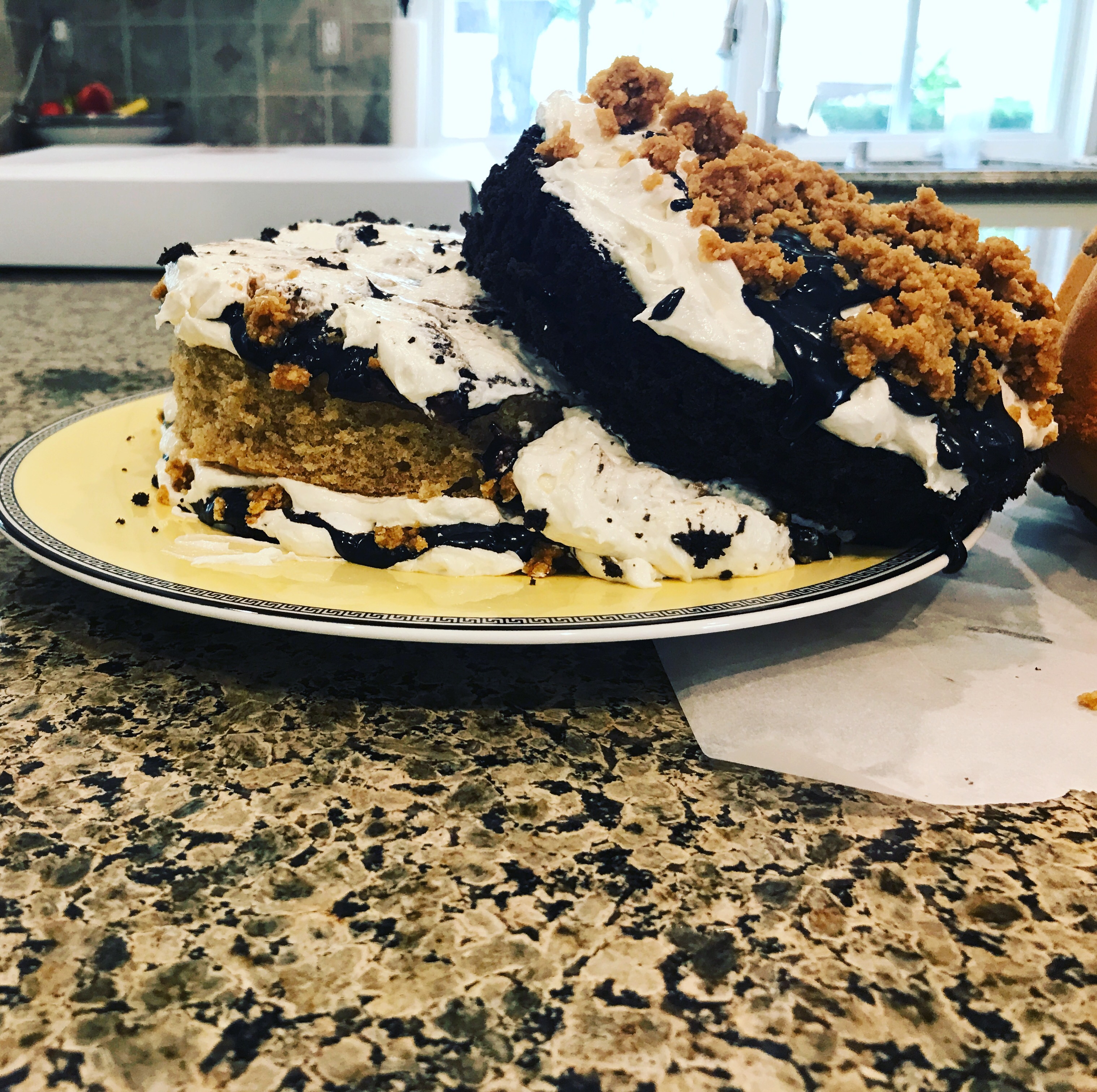
The Practivist is two this week, so I had grand plans to make a cake to celebrate. I also got donuts and baked cookies, because go big or go home. Well, this is how the cake turned out:

S’mores cake with graham cracker and chocolate cake layers, fudge sauce, marshmallow icing and graham cracker crumble

My mom saw it first. I got a text saying “emergency” while reading in my room, and rushed downstairs to find her laughing. “What!” I looked at her expecting something terrible, but she pointed to the cake. The marshmallow frosting was too slippery. “Geez, you scared me!” We both laughed very hard. That’s exactly what this blog is about, I realized. Finding joy in the imperfect, the disastrous. The cake tasted great, by the way. Appearances aren’t everything.

A year ago, I attended the Beyond Walls Spiritual Writing retreat in Gambier, Ohio. 100 religious leaders (of sorts) stayed in the Kenyon College dorms and wrote op-eds, essays, religious commentaries, and stories. It was at that retreat that I committed to posting a blog every week, and I’m happy to share that I made it! 52 posts later, my writing feels more natural. Every week offered an opportunity to reflect on this idea of staying grounded in the daily struggle, whether it was personal or worldly (often both). Since last July, I joined a memoir writing group, started working for an amazing project (the Revolutionary Love Project, founded by Sikh-American activist and filmmaker Valarie Kaur- also a personal hero), and ran a marathon. I quit my job. I got accepted to my dream PhD program in religious studies at Stanford and moved back to California. I finished cataloguing my blessed collection of books, many of which came from my grandmother’s house when she passed away. My sister graduated from medical school and started her residency at home. For the first time in over six years, my family is all in one place.

Though my writing has certainly rambled down different paths, I believe this blog remains true to my original idea of exploring how we, as human beings, demand resilience in ourselves. Suffering grounds me in my religious beliefs because all humans experience it. Yet, we are capable of countering it, and even ending it in certain circumstances. This year I often found that joy presented itself in a form of self-allowance. When we realize we are deserving of the life we are given, the gifts of said life present themselves. I’ll never forget when Valarie spoke to our group of fellows on the phone after the election and she told us we deserved joy especially in a time such as this. “We will never let them take it away,” she said.

My students often gifted me opportunities to learn, which I loved and cherished. I had no idea that my job involved so much learning, often in times I was supposed to be the teacher or coach. I feel much better about admitting my mistakes, even when they have caused someone I love to hurt. Guilt still plagues me, but I am able to name it and even let it go more easily sometimes.

Not every blog post was easy to write, and definitely not all of them turned out the way I envisioned. Some of them make me cringe reading them back, but I’ve decided to leave them as they are to trace the journey and accept the imperfection of where I was when I completed them. Authors speak often about the trajectory of their work and how much their earlier writing influences their current projects because the necessity of reflection and knowing oneself through process makes us better writers.

It’s difficult to imagine a year from now because as life has taught me, plans often meander or even take a sharp turn away from an original intention. That’s why this blog has been so important to me, because the friends and others who have read even one posting and commented or messaged me saying, “I identity with this” have made it worth it to stay up late or carve out time (when I really didn’t have it) to keep going. I plan to keep writing and learning and making mistakes. Here’s to another year and maybe even another cake that resembles the leaning tower of frosting.

Ramadan Sunset

This post appears on the Parliament of the World’s Religions’ blog in the series “Interfaith Ramadan.”


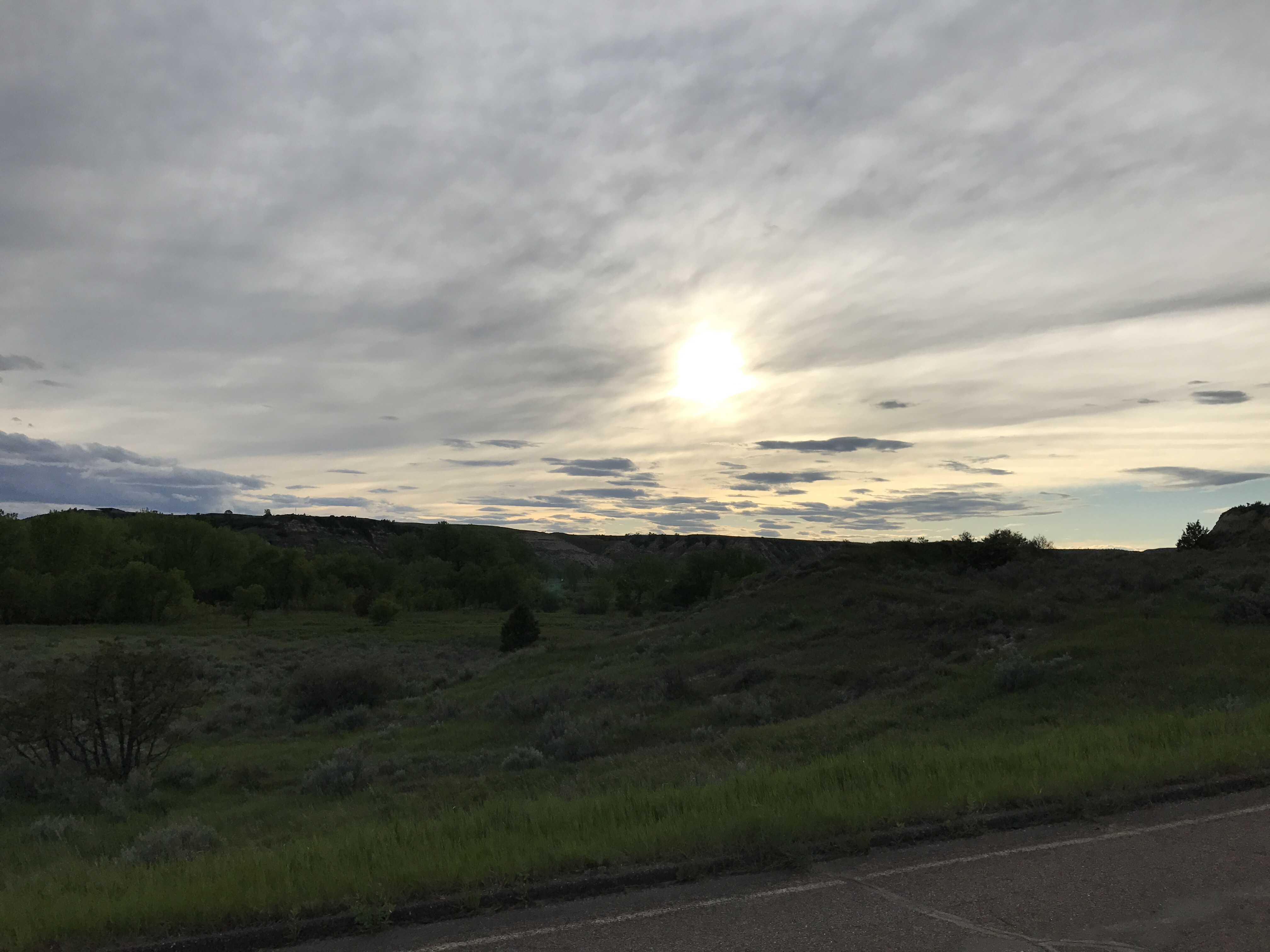
I’m watching the sunset over Teddy Roosevelt National Park in Medora, North Dakota and thinking about my Grandmother on this first night of Ramadan. She passed away a few years ago, but growing up, my family would visit her in Lake Isabella just above Bakersfield in Central California. This view before me, a vast scatter of pink, purple, blue, red and yellow, also reminds me of the many evenings I spent as an archaeologist in Antalya, Turkey overlooking the Mediterranean Sea, watching the sun kiss the warm salty water before it disappeared behind a nearby mountain range. I remember these nights during Ramadan, in July or August, when we would fast for more than 16 hours and eat our iftar meal, the time to break fast, outside overlooking the coast.

As far as I know, there is no mosque here in Medora, North Dakota, population 132. Minneapolis, the city I drove from this morning, is about 550 miles away, but feels so much further. Compared to Boston and Chicago, my two previous home cities, Minneapolis is a small city, but boasts everything a metropolis would- art museums, fancy coffee shops, skyscrapers, and of course religious diversity. I’ve been on the road now for almost a week across the Northern United States, westbound eventually for Los Angeles, and have used the long drives to reflect on leaving Boston, a place I celebrated Ramadan with a sizeable number of my students and colleagues who were Muslim, and others who have grown to cherish this time and tradition, just as I have. As the landscape has subtly shifted every day on the road- from forest to plains to badlands- I can’t help but think about Ramadan as a time to notice subtle threads of particularities- the things that make us all different- meeting in the middle, finding a common center, flourishing in the most sacred part of the year.

Our world right now feels pretty scattered, just like this sunset in front of me. Driving this road has also exposed me to ways of living I have never encountered, growing up in one of the most physically vast cities in the world, Los Angeles. And yet, if I step back for a moment, while the colors in the sky remain distinct, they each meet and blend slightly. All over the world, Muslims practice in distinct ways during Ramadan- from eating particular foods at Iftar to feeling anxiety about celebrating publicly in places where Muslims are marginalized and under threat. From breaking fast under big city lights to listening for the call to prayer in small villages, Ramadan differs greatly from place to place, people to people. Nonetheless, the common knot in the center is stronger than the particular strands of thread. Ramadan always reminds me that no matter how divided and far we feel from those with whom we disagree or those whom we do not understand, there is something that binds us together- to recognize this is sacred. For me tonight, this connection is with the spirit of my grandmother who would be admiring the same sunset 1700 miles away if she were still with us. The valley seems to carry on endlessly in front of me, and at the furthest point where the sky meets the land, I wonder if there is a family breaking fast at this moment.